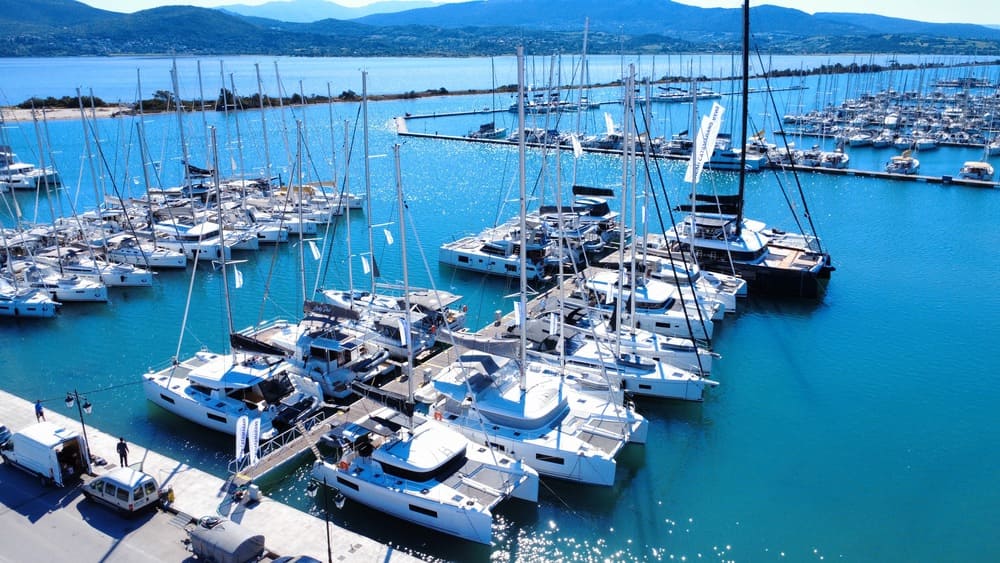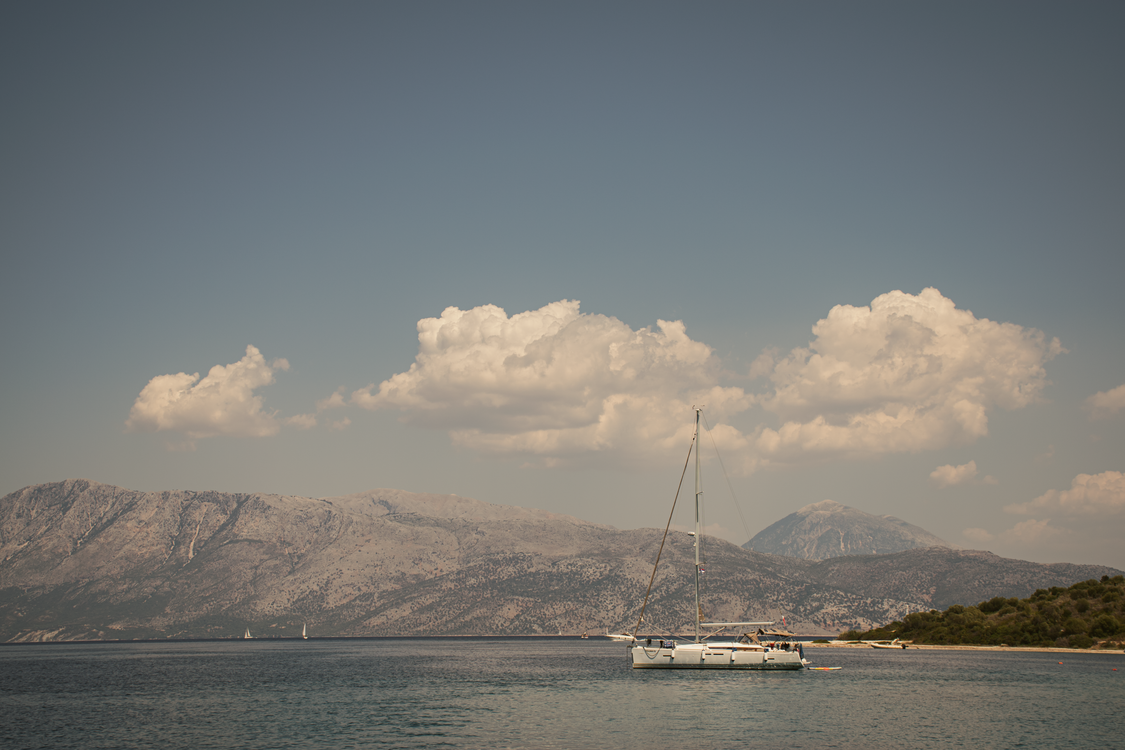
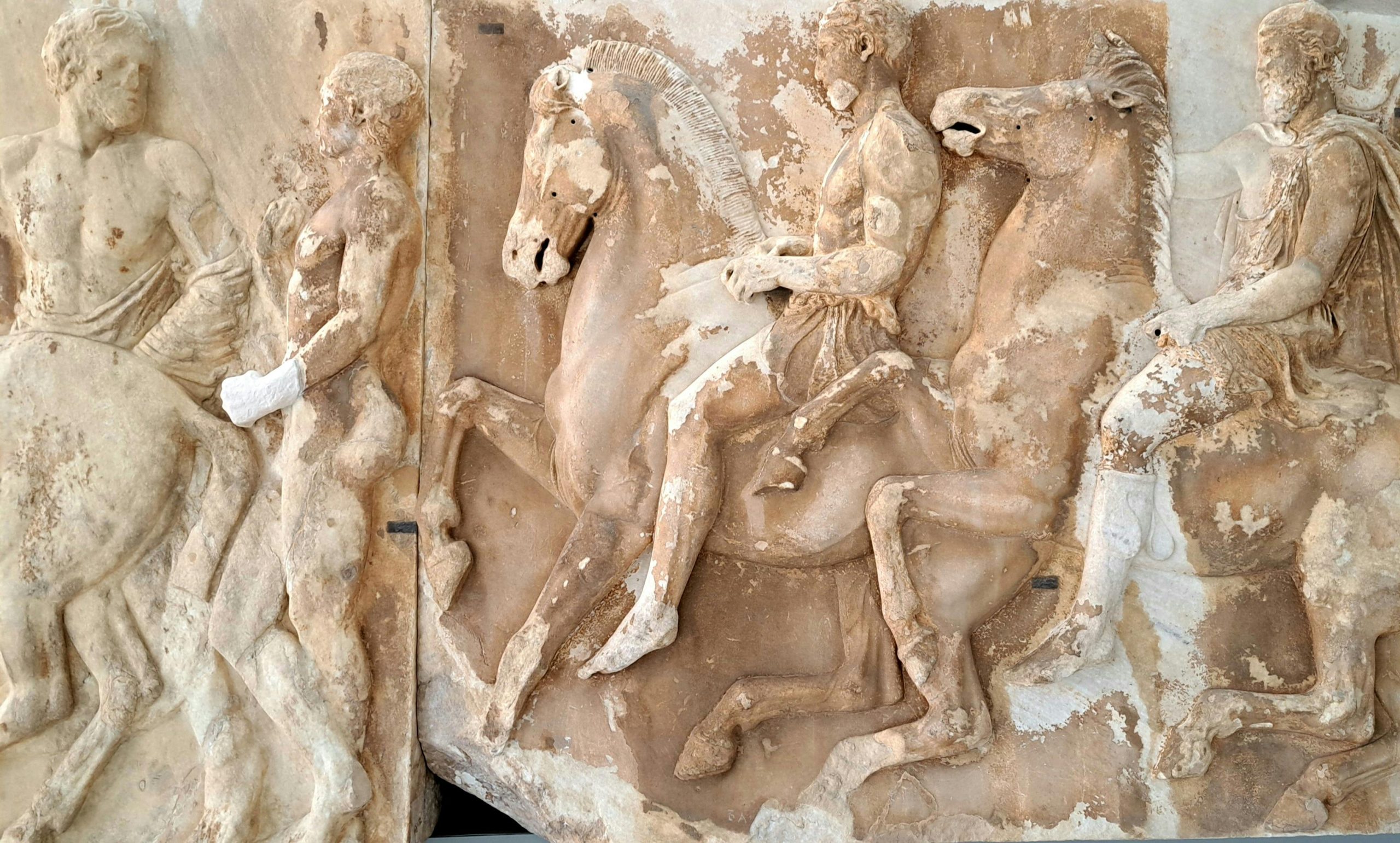
The Ionian Islands are celebrated for turquoise seas, hidden coves, and gentle winds, but beneath the surface lies another treasure: history. From Homer’s Ithaca to Venetian castles on Corfu, the Ionians are steeped in myths and monuments that tell the story of seafarers, conquerors, and poets.
For sailors, each anchorage can become a doorway to the past. Drop anchor in Vathi, stroll to a museum with Mycenaean artifacts, or climb fortress walls overlooking the sea Odysseus once sailed. This is the charm of exploring the Ionian Islands’ archaeology and cultural heritage sites: it’s not only about where you sail, but also about the centuries you sail through.
> Read More: Sailing the Route of Odysseus: A Modern Guide to the Mythical Journey
Ithaca – Heart of the Odyssey
1. The Archaeological Museum of Ithaki in Vathi
A compact but essential stop, this museum displays pottery, coins, and figurines from ancient Ithaca. Finds date from the Geometric to Roman periods, showing continuous habitation on the island Homer made immortal.
Why Visit: To connect myth with material evidence, right in the harbor town of Vathi.
📌 Get Directions: Archaeological Museum of Vathi of Ithaca
2. Archaeological Collection of Stavros, Ithaki
North of Ithaca, Stavros is often associated with Odysseus’ palace. Excavated finds include bronze tripods, inscribed tablets, and fragments of Mycenaean pottery. One inscription even mentions “Odysseus,” adding fuel to the legend.
Why Visit: For a glimpse of how archaeology and Homeric myth overlap.
📌 Get Directions: Archaeological Collection of Stavros, Ithaki
3. The School of Homer (Agios Athanasios)
On a hill near Stavros, ruins of a Mycenaean complex have been linked, controversially but romantically, to Odysseus’ palace. The site’s terraces and walls overlook the sea, inviting imagination.
Why Visit: To stand where locals believe Odysseus once walked.
Kefalonia – Mycenaean Power and Venetian Pride
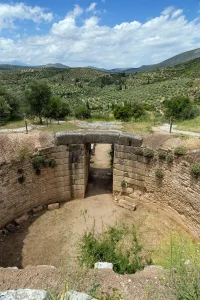
1. Mycenaean Tholos Tombs
In Mazarakata and Tzanata, Kefalonia reveals its Bronze Age wealth. These monumental beehive tombs (1350 – 1100 BC) mirror those of Mycenae itself, proving Kefalonia was a significant player in the Mycenaean world.
Why Visit: To feel the grandeur of a civilization that shaped Homer’s epics.
📌 Get Directions: Mycenaean Tholos Tombs
2. Archaeological Museum of Kefalonia in Argostoli
Despite earthquake damage, the museum exhibits artifacts from Paleolithic tools to Roman mosaics. Mycenaean pottery and figurines highlight Kefalonia’s long role in Ionian trade.
Why Visit: A cultural counterpoint to a day’s sail in Argostoli Bay.
📌 Get Directions: Archaeological Museum of Kefalonia in Argostoli
3. Castle of St. George
Perched above the island’s capital, this Venetian castle mixes medieval archaeology with sweeping sea views.
Why Visit: To witness later layers of Ionian heritage beyond the Bronze Age.
📌 Get Directions: Castle of St. George
Corfu – A Crossroads of Civilizations
1. Archaeological Museum of Kerkyra (Corfu)
Home to the famous Gorgon pediment from the Temple of Artemis, this museum also showcases pottery, bronze weapons, and votive offerings. Corfu, or ancient Corcyra, was a major player in Archaic and Classical Greece.
Why Visit: To see one of Greece’s earliest monumental sculptures without leaving the Ionian.
📌 Get Directions: Archaeological Museum of Kerkyra (Corfu)
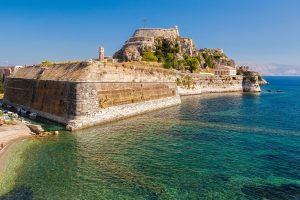
2. Old and New Fortresses
The Venetian fortifications in Corfu Town dominate the skyline. Walking their walls feels like stepping into a living archaeological site, where bastions and tunnels whisper of centuries of naval battles.
Why Visit: For the history with panoramic Ionian views.
📌 Get Directions: Old and New Fortresses
3. Museum of Palaiopolis-Mon Repos Estate
This 19th-century mansion is built over the ancient ruins of Corcyra. Excavations revealed temples and sanctuaries, blending classical archaeology with colonial elegance.
Why Visit: A rare mix of lush gardens, architecture, and ruins.
📌 Get Directions: Museum of Palaiopolis-Mon Repos Estate
Paxos – Small Island, Timeless Traces
Paxos may be famous for turquoise coves, but beneath the waves and hills lie traces of its ancient past. While smaller than Corfu or Kefalonia, the island preserves remnants of Roman villas and early Christian basilicas.
Why Visit: For sailors who want archaeology without crowds, Paxos offers quiet discoveries.
Lefkada – Ancient Nirikos and Sacred Shores
1. Ancient Nirikos
Just outside modern Lefkada Town, the ruins of Nirikos reveal the island’s ancient capital. Walls, towers, and public buildings speak of a fortified settlement dating back to the 7th century BC.
Why Visit: A site often missed by tourists, ideal for history lovers seeking calm.
📌 Get Directions: Ancient Nirikos
2. Faneromeni Monastery
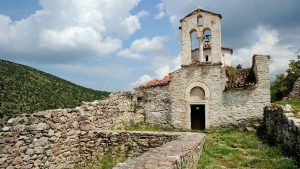
Though primarily Byzantine and later, the monastery sits on a site linked to ancient temples of Artemis. It’s a small museum that displays religious icons and manuscripts, connecting spiritual heritage across centuries.
Why Visit: For a cultural stop with sweeping sea views over Lefkada’s lagoons.
📌 Get Directions: Faneromeni Monastery
Zakynthos – Myths and Venetian Legacies
1. Archaeological Museum of Zakynthos
Destroyed by the 1953 earthquake and rebuilt, the museum houses artifacts from the Mycenaean through the Byzantine periods. Pottery, sculptures, and inscriptions illustrate the island’s role in Ionian networks.
Why Visit: To understand Zakynthos beyond its beaches.
📌 Get Directions: Archaeological Museum of Zakynthos
2. Venetian Castle of Bochali
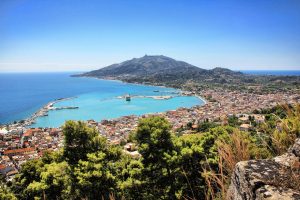
Above Zakynthos Town, the ruins of a Venetian castle overlook the harbor. Built on the site of the ancient acropolis, it blends archaeology, myth, and medieval defense.
Why Visit: A perfect sunset destination for culture and scenery.
📌 Get Directions: Venetian Castle of Bochali
Meganisi and Smaller Ionian Islands
Though less excavated, smaller islands like Meganisi, Kalamos, and Kastos hold traces of ancient habitation, stone walls, ruins of early Christian churches, and oral traditions linking them to Homeric seafaring.
Why Visit: For a sense of continuity between myth and the living traditions of fishing and sailing.
Myth and Archaeology in Harmony
The Ionian Islands are unique because myth is woven into daily life. Ask a local in Ithaca about Odysseus and you’ll get a proud story; ask a winemaker in Kefalonia, and they’ll link Robola vines to ancient feasts. Archaeology here is not just stones and pottery; it’s a living heritage that connects sailors to stories thousands of years old.
Suggested Sailing Itinerary for Archaeology Lovers
- Day 1 – Corfu: Explore the Archaeological Museum and Venetian fortresses.
- Day 2 – Paxos: Quiet anchorage in Lakka, then visit Roman ruins.
- Day 3 – Lefkada: Tour ancient Nirikos before anchoring in Sivota.
- Day 4 – Kefalonia: Visit the tholos tombs and the castle of St. George.
- Day 5 – Ithaca: See Stavros collection and the “School of Homer.”
- Day 6 – Zakynthos: End with the Archaeological Museum and Venetian castle.
5 Tips for Exploring Ionian Islands Archaeology and Cultural Heritage Sites
- Check hours: Many small museums close early or seasonally.
- Anchor smart: Choose ports like Vathi, Argostoli, or Corfu Town for easy access.
- Hire guides: Stories bring stones to life.
- Combine sailing and culture: Swim in the morning, ruins in the afternoon.
- Respect sites: Stick to paths and protect delicate ruins.
> Read More: Culinary Traditions of the Odysseus’ route in the Ionian Islands
Final Thoughts: Sailing Through Time in the Ionian
The Ionian Islands are more than a paradise for sailors; they are a living museum of myth and memory. From the tholos tombs of Kefalonia to the School of Homer in Ithaca, every stop offers a chance to connect with both archaeology and legend.
By focusing on Ionian Islands archaeology and cultural heritage sites, your journey becomes more than a sailing trip; it becomes a voyage through history itself. Ready to weave myth and culture into your holiday? Discover our fleet of Ionian catamarans and set sail on your own odyssey.