Planning your sailing trip to Greece and wondering about the winds in the Ionian Sea? You’re not alone.
Unlike the Aegean with its fierce Meltemi, the Ionian offers more forgiving conditions, breezes that are steady but rarely overwhelming, seas that stay calm, and countless sheltered bays for anchoring.
In this guide, we’ll dive into seasonal wind patterns in Ionian Greece, what to expect, when to go, and how to make the most of these sailor-friendly conditions. Whether you’re a first-time charter guest or an experienced skipper, understanding the Ionian winds is the key to smooth passages and magical anchorages.
> Read More: The Ultimate Guide to Ionian Sailing Weather: What to Expect, Season by Season
Why the Winds Matter in the Ionian
Every sailor knows that the wind is what makes or breaks a trip. In the Ionian, winds are generally mild, predictable, and far less intimidating than in other parts of Greece.
The result? A cruising ground that is accessible to beginners yet still rewarding for seasoned sailors.
Thanks to the region’s Mediterranean climate, the winds follow a comfortable seasonal rhythm:
- Summer (June–September): Gentle northwesterly breeze called the Maistro
- Spring & Autumn (April–May, October): Lighter, more variable winds
- Winter (November–March): Stronger, stormier, and less predictable
This balance makes the Ionian a favorite destination for families, couples, and anyone who wants to enjoy sailing without stress.
Summer Winds – The Maistro
What to Expect
In summer, the Maistro dominates, a northwesterly breeze that starts around midday, builds in the afternoon, and eases at sunset. Speeds usually sit between 10–20 knots, perfect for relaxed passages without over-challenging the crew.
Sailing Experience
This creates a natural rhythm for a day at sea: calm mornings to enjoy a swim before departure, breezy afternoons for lively sailing, and peaceful evenings at anchor. For families and first-time sailors, this pattern feels reassuring and easy to adapt to.
Why We Love It
- Predictable daily cycle
- Great for day-to-day island hopping
- Safe and beginner-friendly, yet still exciting
This is the peak charter season in the Ionian, and for good reason, the winds cooperate beautifully with vacation sailing.
Spring and Autumn Winds – Variety and Serenity
What to Expect
During April, May, late September, and October, winds are lighter, ranging 6–15 knots, and more variable in direction. Some days you’ll sail, others you may motor, but the bonus is peace. Ports are less crowded, anchorages emptier, and the atmosphere more authentic.
Sailing Experience
These seasons invite a slower pace. A day may involve a relaxed motor-sail to a nearby island, stopping for lunch in a deserted bay, then sailing gently on a late-afternoon breeze. Weather patterns can shift, so flexible itineraries are key.
Why We Love It
- Quieter bays and towns
- Softer sunlight and cooler temperatures
- Gentle conditions for relaxed cruising
For sailors who value solitude and don’t mind a touch of unpredictability, the Ionian shoulder seasons are pure magic.
Winter Winds – The Wild Side
What to Expect
From November to March, the Ionian shows its wilder character. Winds strengthen, often from the south or southwest, with gusts exceeding 25 knots and frequent rain.
Sailing Experience
This is a time when the Ionian is left to locals and adventurous private sailors. Winter winds can feel raw and powerful, with sudden squalls, rain showers, and dramatic light on the sea. Anchorages that feel calm in July can be restless in January.
Why We Love It
- A true adventure for experienced sailors
- Empty seas and ports, the Ionian all to yourself
- Dramatic landscapes in winter light
For most charter guests, though, this season is less appealing, and many fleets close.
Local Wind Influences
Channels and Passages
In narrow areas like the Lefkada–Meganisi channel, wind speeds can accelerate noticeably, giving an extra push under sail.
Katabatic Gusts
At night, cooler air slides down from mountain slopes (especially on Kefalonia), causing brief gusts in anchorages.
Thermal Effects
On hot summer days, the land–sea temperature difference can enhance the Maistro, making afternoons breezier than forecasts predict.
Sheltered Bays
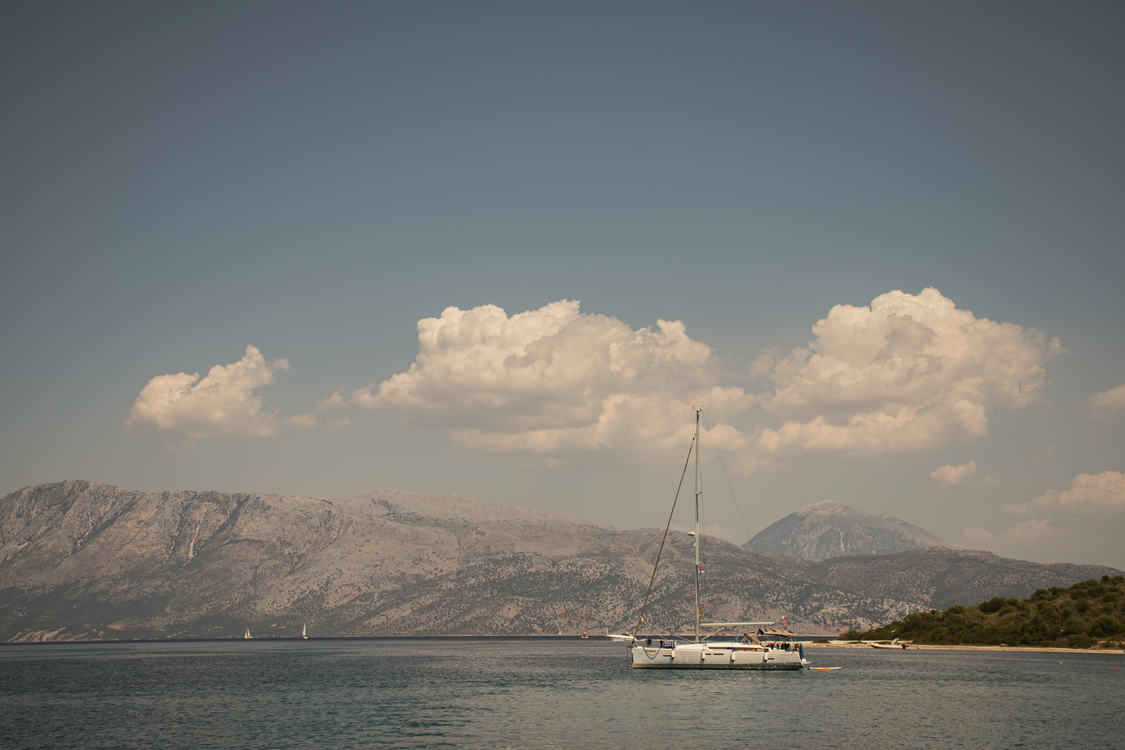
Places like Sivota (Lefkada) or Vathi (Ithaca) remain calm even when winds are lively offshore, ideal anchorages after a day’s sail.
Comparing the Ionian with Other Greek Sailing Regions
For many, choosing between the Ionian and Aegean is the biggest decision. The answer often comes down to wind:
- Aegean Sea: Known for the Meltemi, a north wind that can blow at 30+ knots for days at a time. Exciting for experienced sailors but stressful for beginners.
- Saronic Gulf: Very light winds, convenient for short hops from Athens, but sometimes too calm for those who love real sailing.
- Ionian Sea: The happy middle ground, steady, manageable breezes, calm seas, and diverse cruising grounds.
This is why the Ionian is often described as “beginner-friendly but never boring.”
Why is Ionian Sailing Weather So Predictable?
The Ionian Sea is one of the Mediterranean’s most predictable sailing destinations, thanks to three key factors: the Maistros thermal wind system, which follows a reliable daily cycle; an island-dense geography that limits fetch and buffers wave development; and stable summer high-pressure systems that suppress storm risk. Together, these conditions create manageable, forecastable sailing weather with calm mornings, steady afternoon breezes, and rare multi-day disruptions — making the Ionian an ideal choice for both first-time sailors and experienced charter guests.
> Read More: The Ionian’s Secret: Predictable Weather You Can Actually Plan Around
Tips for Planning Your Sailing Trip
Choosing the Best Season
- June–September: Reliable winds, lively ports, classic summer vibe
- May & October: Softer winds, peaceful anchorages, fewer crowds
- Winter: Only for advanced crews or locals with strong knowledge
Daily Rhythm
- Morning: Calm seas, perfect for short motor-sails or relaxed breakfasts
- Afternoon: Maistro fills in, time for true sailing
- Evening: Winds fade, anchor in tranquility
Safety & Comfort Tips
- Check forecasts daily. Reliable apps include Windy, Meteo, and Poseidon.
- Know alternative anchorages. Southerly winds can expose some bays.
- Respect katabatic gusts. Give extra chain and room when anchoring near cliffs.
- Match the crew. Families and beginners thrive in summer; skilled sailors may enjoy the variety of spring and autumn.
Sailing Stories – What It’s Really Like
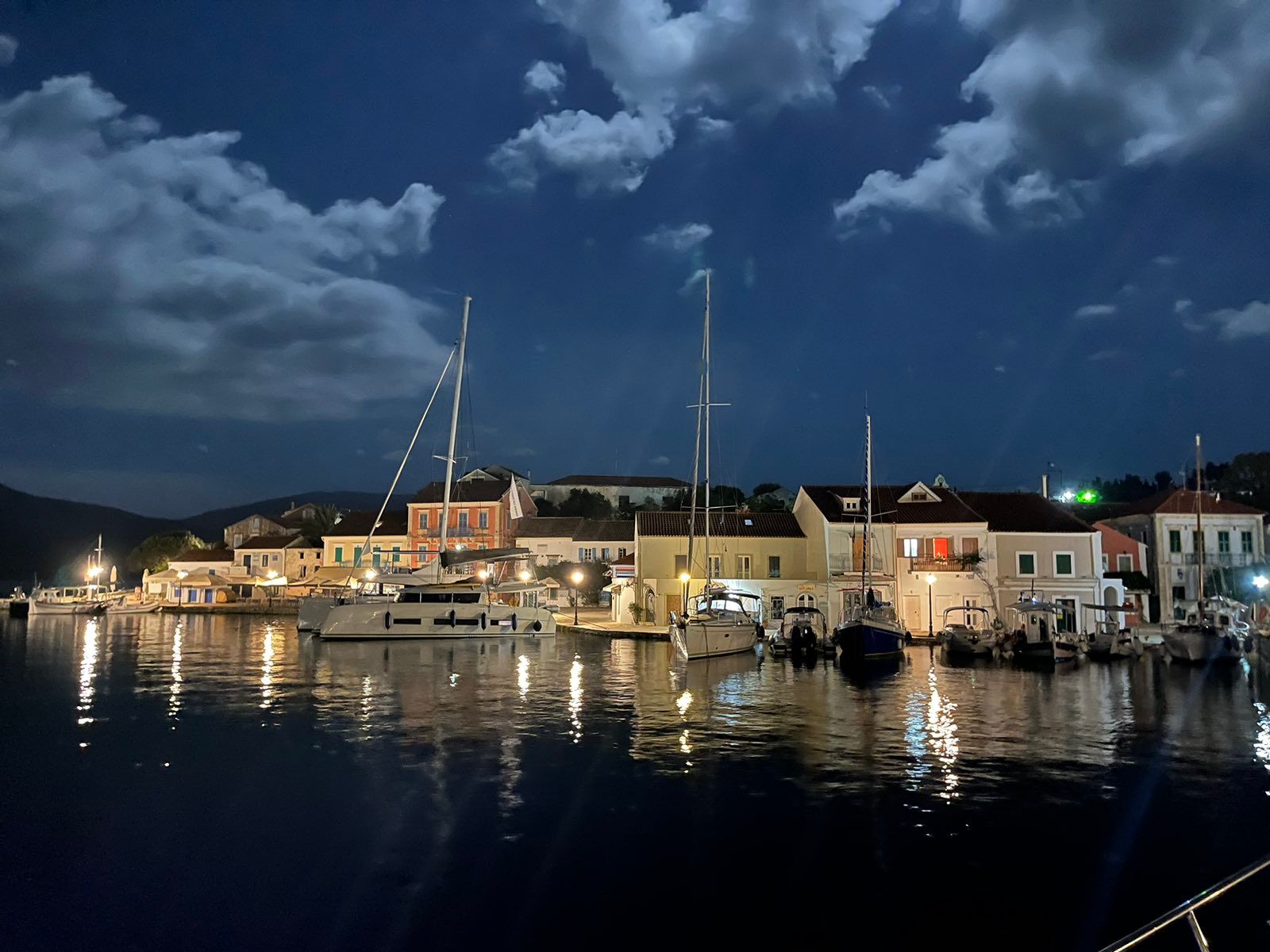
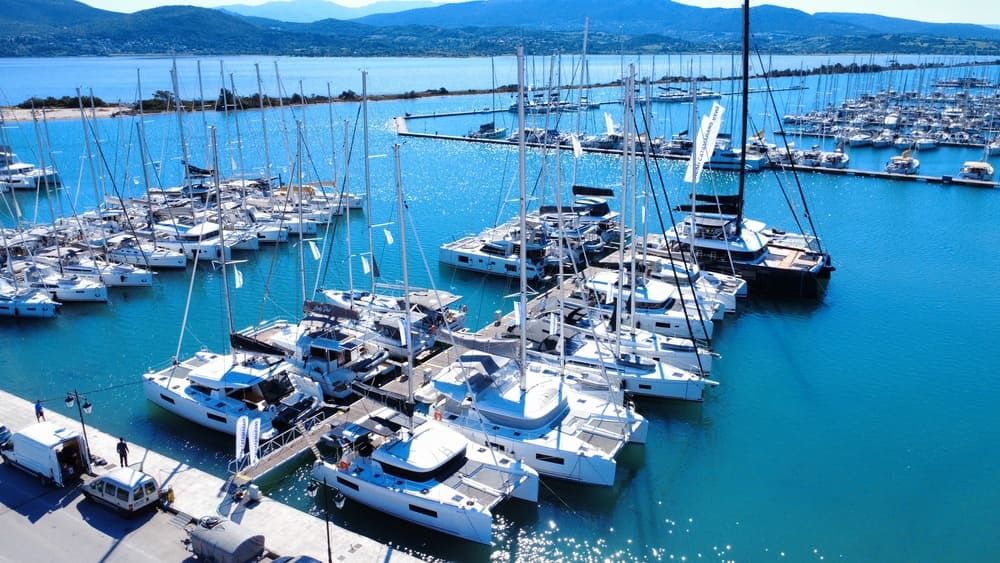
Picture this: You set off from Lefkada Marina in late June. The morning sea is glassy, perfect for a quick dip before departure. By the time you reach Meganisi, a gentle northwesterly breeze has filled in. Sails go up, the boat heels just enough to remind you you’re really sailing. By mid-afternoon, you’re gliding past pine-clad coves, dolphins playing in the bow wave.
At sunset, the wind softens. You drop anchor in a sheltered bay, the water mirror-flat, cicadas chirping ashore. The night sky fills with stars. This rhythm, calm, breezy, is the essence of sailing in the Ionian.
Final Thoughts: The Winds of the Ionian
The beauty of sailing here lies not only in the islands but in how the winds let you enjoy them. Predictable summer breezes, gentle shoulder-season conditions, and sheltered bays all combine to create a unique rhythm of life at sea.
By understanding the seasonal wind patterns in sailing Ionian Greece, you can plan smarter, sail safer, and enjoy every moment, from quiet mornings on deck to breezy afternoons under sail.
Ready to experience it for yourself? Discover our fleet of Ionian catamarans and start planning your perfect journey today.