
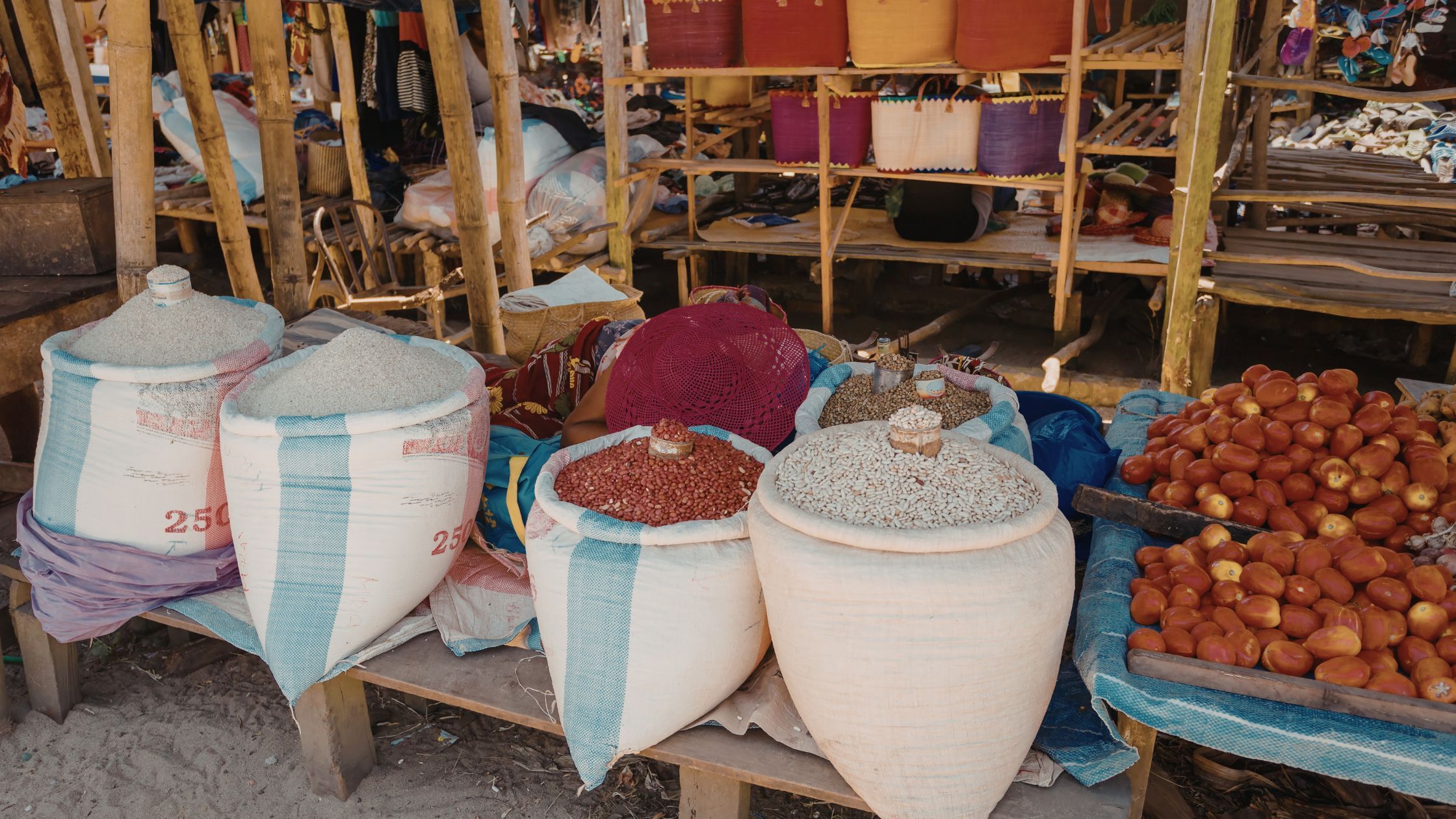
Greek island markets are open-air food and artisan hubs where locals sell fresh produce, regional cheeses, olive oil, honey, seafood, and handmade goods. They operate mainly in the mornings and are among the most authentic cultural experiences available to travelers in Greece. Many products carry PDO or PGI certification, legally tying them to specific islands.
Popular destinations include markets in Crete, Corfu, Santorini, and Zakynthos. Markets are especially useful for sailors provisioning a yacht in the Ionian Islands. Travelers can also buy shelf-stable souvenirs such as olive oil, dried herbs, nuts, and local spirits. Greece welcomed approximately 36 million visitors in 2024, making these markets busier and more essential to understand than ever.
Why Greek Island Markets Are Worth Your Morning Alarm
Greek island markets are not a tourist attraction bolted onto the side of real life; they are real life.
Farmers, fishermen, and artisans set up before most visitors have finished their first coffee, and the best produce is gone before 10 AM. Greece welcomed around 36 million international visitors in 2024, up nearly 10% from 2023, and tourism revenue reached approximately €21.7 billion. With those numbers, markets have become one of the few places left where the authentic, unhurried pace of island culture is still visible, briefly, before the tour buses arrive.
What You’ll Actually Find at a Greek Island Market
The range is wider than most visitors expect. Typical finds include:
- Fresh produce: tomatoes, figs, grapes, cucumbers; the kind that taste like they were invented here
- Dairy: feta, graviera, and aged goat cheeses in various states of pungency
- Olive products: oils, olives, and tapenades ranging from subtle to aggressively good
- Bakery items: fresh bread, spanakopita, and pastries best eaten immediately
- Drinks: local wine, ouzo, and tsipouro for when the sun gets low
- Handcrafted goods: ceramics, textiles, and souvenir items that are actually made nearby
For sailors provisioning a yacht in the Ionian Islands, markets are ideal: fresh ingredients, no supermarket markup, and someone who can explain what the unlabelled jar actually contains.
PDO and PGI Foods: When Geography Is the Ingredient
Greece has over 100 PDO and PGI-certified food products, a European Union designation that legally links a product to a specific region. In practical terms, it means the pistachios from Aegina cannot be authentically grown anywhere else, and the fava from Santorini is made from a variety of yellow split peas unique to volcanic soil that most crops would find deeply inhospitable.
Notable island products with protected status:
- Aegina Pistachios. Premium, smaller, and notably more flavourful than their competitors
- Fava Santorinis. Yellow split peas grown in volcanic soil served as a smooth purée
- Zante Currants (Zakynthos). Small, intensely sweet dried grapes with a long export history
- Koum Kouat Liqueur (Corfu). Citrus spirit made from kumquats that arrived in Corfu via the British and stayed permanently
- Robola. Famous white wine from Kefalonia.
- Ladotyr (Zakynthos). Famous spicy cheese aged in olive oil.
- Nouboulo. Traditional Corfiot pork, like salami.
- Salami (Lefkada)
- Lentils (Egklouvi). Delicacies from a village in the mountains of Lefkada
- Honey from Ithaca. Popular honey variety.
- Kumquat liquor. Made from a small, bitter-sweet citrus fruit cultivated primarily on the island of Corfu.
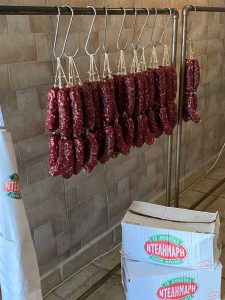
These products make excellent souvenirs because they cannot be replicated at home, however much effort one invests in trying.
What to Taste While You’re There
Markets are as much about eating as buying. Most islands have vendors selling street food directly from stalls, and the quality-to-price ratio is one of the better-kept secrets of Greek travel. Look out for:
- Loukoumades. Fried honey doughnuts, structurally unstable, impossible to eat gracefully
- Gyros in fresh pita. A benchmark by which all future versions will be measured
- Spanakopita and tyropita. Spinach and cheese pies best eaten warm, standing up
- Fresh yogurt with thyme honey. Deceptively simple, unreasonably good
- Seasonal fruit. Figs in late summer, especially, eaten by the bagful


In Corfu, markets feed directly into the local restaurant culture: the same cheese pies and ingredients appear later as pastitsada and sofrito on dinner menus. In Crete, market tours typically include olive oil tastings, rusks, aged cheeses, thyme honey, and small glasses of raki offered with the confidence of someone who has done this several thousand times.
> Read More: What to Eat in Greece
What to Bring Home (That Won’t Be Confiscated at the Airport)
Many Greek market products travel exceptionally well. The following pack without drama and survive luggage handling:
- Olive oil. Bottles, ideally padded; unavoidable if you have any self-respect
- Vacuum-sealed cheeses. Graviera travels better than feta
- Dried figs, Zante currants, and pistachios. Lightweight, long-lasting
- Thyme honey. One of the more distinctive honeys in Europe
- Dried oregano and herbs. Small, aromatic, immediately useful at home
> Eat Local & Taste the Ionian Islands
5 Tips for Visiting Without Making Obvious Mistakes
A few practical points worth knowing before you go:
- Arrive early, before 10 AM, for the best selection; fresh produce moves fast
- Bring cash since small vendors rarely accept cards, and the ATM queue later is longer than you want
- Ask about the product because vendors are often small producers with something worth hearing about
- Buy small quantities of fresh items, as Greek markets are not a once-a-week operation; there will be another one
- For sailors: provision every few days rather than loading the yacht with a week’s worth at once
Greek island markets work best when treated as an experience rather than an errand. The vendors are often the producers, the ingredients are genuinely local, and the combination of a good olive oil, a piece of graviera, some bread, and a tomato that actually tastes like a tomato is one of the more reliable pleasures available to a traveller in the Aegean. The markets are busy, which is partly the point — they are a functioning part of daily island life, and visitors who turn up early enough get to be part of it.
Frequently Asked Questions
- What is the best time to visit Greek island markets?
Most operate from early morning until midday. Before 10 AM gives you the best selection, and there are also fewer other people trying to pick up the last figs.
- Are Greek island markets expensive?
Prices are generally reasonable, particularly for produce, bread, and locally made goods. Specialty PDO products cost more but represent genuinely good value given their quality and scarcity.
- Can I bring market food home?
Yes. Olive oil, nuts, honey, dried herbs, and sealed cheeses all travel well and pass through customs without issue in most countries. Liquids over 100ml go in checked luggage.