If you have sailed Turkish waters before, arriving in the Ionian Sea is a legitimate operational shift and not just a change of scenery. The anchoring logic is different, the marina infrastructure is more standardised, and the daily decision-making has less in common with the Aegean than most sailors expect.
This guide covers the key tactical differences between sailing in Greece (with a focus on our Ionian) and Turkey, so you know what to adjust before you leave the dock.
Quick Comparison: Greece vs Turkey Sailing
The short version, for those who prefer their sailing briefings concise:
| Factor | Greece (Ionian) | Turkey |
| Anchoring style | Free anchoring, bow only | Stern-to with shorelines |
| Crew coordination | Low | High |
| Routing flexibility | High — adapt daily | Lower — pre-plan stops |
| Marina infrastructure | Well developed | Developed but structured |
| Wind conditions | Moderate thermal winds | Moderate to strong |
Put simply: Turkey rewards preparation and precision; the Ionian rewards flexibility and patience. Both are excellent sailing grounds. They just ask different things of you.
Anchoring: From Shore Lines to Dropping and Done
The most immediate adjustment for sailors coming from Turkey is the anchoring system.
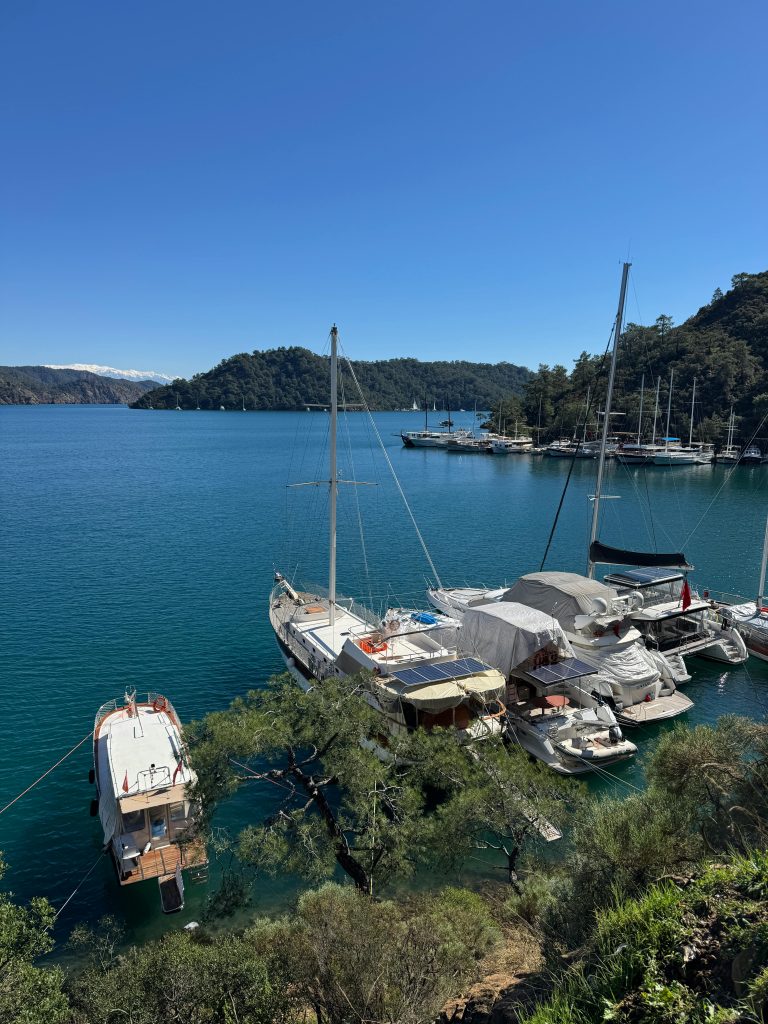
In Turkish bays, anchoring is rarely a standalone manoeuvre. The standard approach involves stern-to positioning, long lines taken ashore (often by dinghy), and coordinated crew work across multiple steps. It is efficient when everyone knows their role, and a minor theatrical production when they do not.
In the Ionian, most anchorages work on a simple bow anchor system. Drop anchor, deploy chain, done. No dinghy. No shorelines. No one sprinting across the foredeck shouting instructions that are immediately lost to the wind.
> Read More: A Guide to Ionian Winds
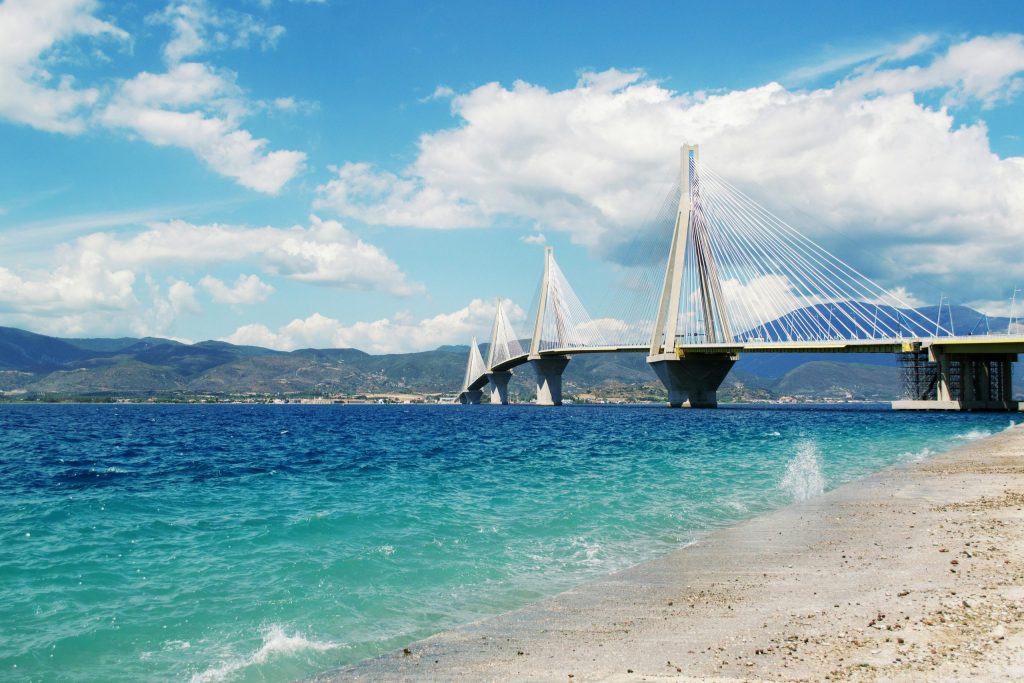
What this changes is not just technique but timing. In Turkish waters, anchoring decisions need to be made well in advance. You need to know whether a bay supports line-to-shore mooring before you arrive. In the Ionian, anchoring is reactive. Skippers can adjust plans mid-afternoon, change anchorage based on conditions, and avoid committing to a location until they actually see it.
For charter groups (especially those on catamarans, where beam width adds its own entertainment value to tight anchorages), this translates to noticeably smoother arrivals and fewer tense conversations over sundowners.
Routing: Fixed Itineraries vs Adaptive Planning
Routing in Turkish waters tends to be structured by necessity. Anchoring constraints, suitable mooring bays, and longer distances between stops mean that daily plans are often locked in the night before. The sailing is excellent, but the operational margin is thinner.
In the Ionian, the geography cooperates. Island clusters are close together, anchorage options multiply within each area, and the thermal wind pattern (a predictable afternoon breeze building from the northwest) gives skippers a reliable daily rhythm to work around.
This makes it genuinely possible to decide at lunchtime whether to push on to the next island or stay where you are — a level of flexibility that is either liberating or mildly stressful, depending on personality type.
For one-week charters with mixed-experience crews, this adaptive quality matters. Skippers can shorten or extend legs without logistical consequences, avoid crowded anchorages in peak season, and respond to weather patterns without restructuring the entire itinerary.
Docking and Marina Infrastructure
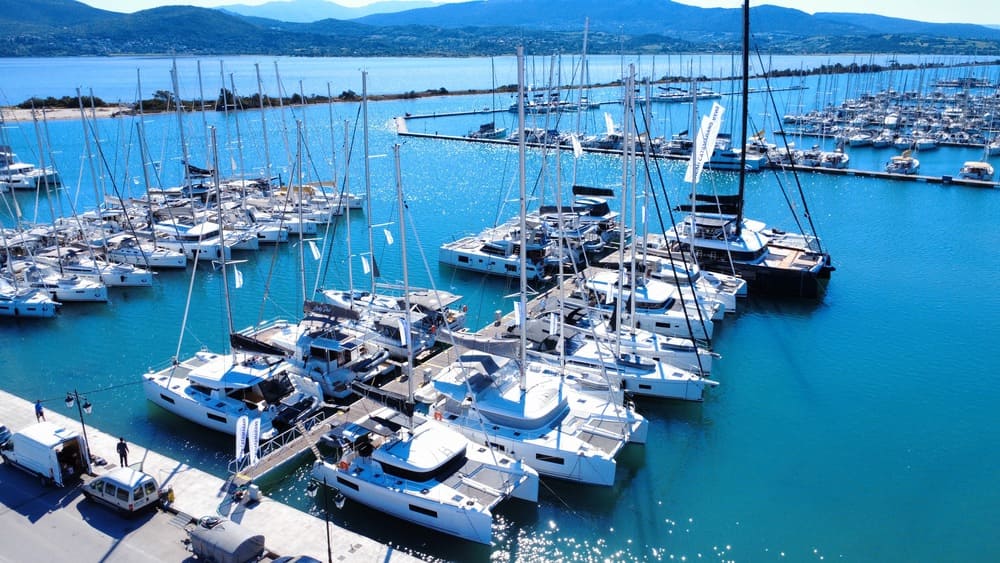
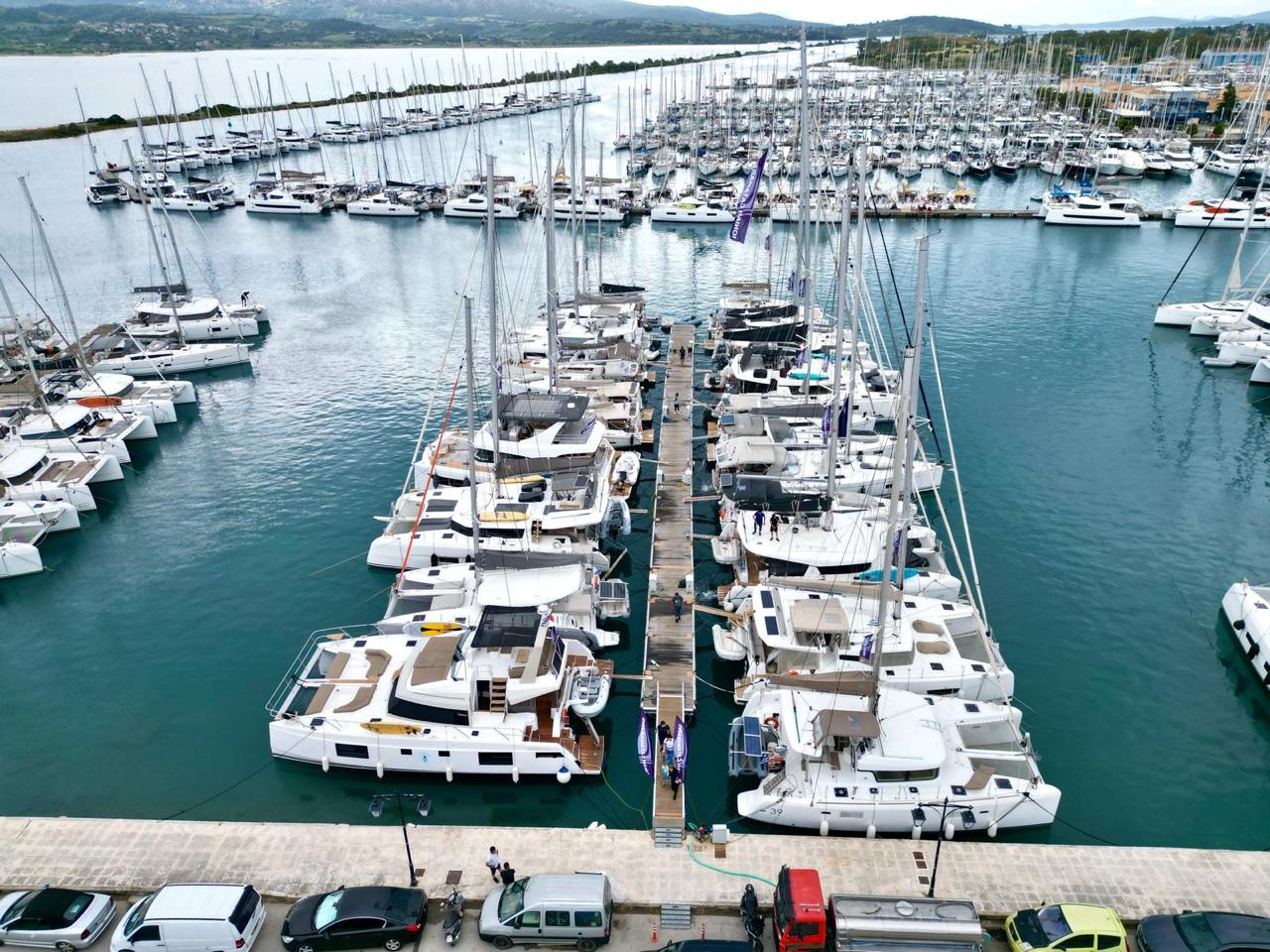
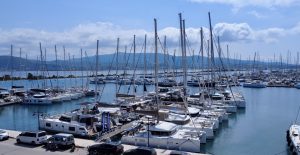
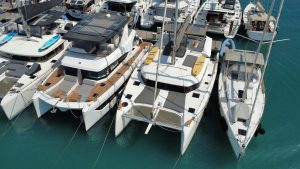
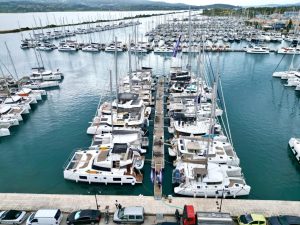
Marina infrastructure in the Ionian is well developed and, by Mediterranean standards, fairly consistent. Most harbours offer stern-to berths with laid mooring lines already in place. You pick up the line, back in, and the structural element of docking is largely handled. Wind and swell conditions in the Ionian are generally milder than the Aegean, where the Meltemi can make even straightforward berthing situations complicated.
> Read More: How to Pick the Right Marina in the Ionian
Turkish marinas are also well developed, but the system leans more on manual line handling and varies more by location. In high-season ports, this can slow turnaround and add complexity to arrivals when the dock is already busy.
For charter crews making the transition from Turkey, the Ionian’s standardised docking procedures tend to reduce stress in port, which, at the end of a long sailing day, is not a small thing.
Crew Workload Across the Week
Crew workload is one of the least-discussed but most noticeable differences between sailing regions. In Turkish waters, arrivals involve multiple crew members managing lines, dinghy deployment in some bays, and a multi-step process that requires coordination each time. On a seven-day charter, that compounds.
In the Ionian, anchoring is typically handled from the bow by one or two people. Fewer steps, fewer handover moments, fewer opportunities for the kind of miscommunication that tends to be remembered long after the sunsets are forgotten.
For skippers managing mixed-experience groups, this matters. Less procedural complexity at arrivals means more capacity, both for the crew and the skipper to focus on the actual sailing.
Regional Comparison: Ionian vs Aegean vs Turkey
| Factor | Ionian | Aegean | Turkey |
| Anchoring complexity | Low | Medium | High |
| Wind intensity | Moderate | Strong (Meltemi) | Moderate–Strong |
| Routing flexibility | High | Medium | Lower |
| Marina infrastructure | High | Medium | High |
| Crew workload | Low | Medium | High |
| Charter suitability | All levels | Intermediate+ | All levels |
The Ionian is not the easiest sailing region because the conditions are trivial; it is straightforward because the operational systems align well. Anchoring, routing, and docking all work in the same direction, which leaves more attention for passage planning, sail trim, and deciding which island has better octopus on the menu.
What Experienced Sailors from Turkey Should Expect
For sailors with significant Turkish experience, the Ionian transition often feels like a change in what you are managing rather than how well you can sail. In Turkey, skill is applied to managing complexity: precise mooring, coordinated line handling, and structured planning. In the Ionian, the same skill level gets redirected toward route optimisation, reading thermal wind patterns, and making the most of a more fluid sailing environment.
Neither is a lesser challenge. They are different ones. Most sailors who have spent time in both regions tend to return to the Ionian for charters specifically because the reduction in procedural overhead makes the experience cleaner, more time sailing, and less time managing logistics.
The Ionian Advantage: A System-Level View
The Ionian’s operational advantages are not incidental; they are structural. The island’s geography reduces wind and swell exposure. Dense anchorage availability means you rarely have to commit to a suboptimal stop. Predictable thermal winds provide a daily rhythm. Well-developed marina infrastructure standardises docking. These elements reinforce each other, which is why the region consistently suits a wide range of sailing experience levels.
For sailors coming from Turkey, this creates a noticeably different kind of sailing week: fewer decisions made under pressure, more margin to course-correct, and a better baseline from which to enjoy the actual sailing rather than the logistics around it.
Frequently Asked Questions
Is anchoring in Greece easier than in Turkey?
In the Ionian, yes. Anchoring is typically a single-system operation — bow anchor, no shore lines — which significantly reduces crew coordination requirements compared to the stern-to-with-lines approach common in Turkish bays.
Do I need different skills to sail in Greece?
Your existing skills transfer well. The adjustment is less about learning new techniques and more about relying on different ones. Line handling is less central; anchoring judgment and route flexibility become more important.
Is the Ionian suitable for experienced sailors?
Yes, and it is often underestimated in this regard. Lighter operational complexity does not mean the sailing is uninteresting. Experienced sailors tend to use the Ionian’s flexibility for more ambitious passage planning and performance-focused sailing.
How does docking differ from Turkey?
Ionian docking is more standardised. Most berths use laid mooring lines and infrastructure that removes many of the manual handling steps common in Turkish ports. Wind and swell exposure are also generally lower, which helps.
Which region is better for a first bareboat charter?
The Ionian is widely considered one of the best regions in the Mediterranean for first-time bareboat charters. Short distances between islands, consistent wind patterns, and straightforward anchoring mean that less experience is required to have a genuinely good week.