For thousands of years, the tale of Odysseus has captured the imagination of readers, sailors, and adventurers alike.
In this guide, we’ll take you through the historical and mythological background of Odysseus’ voyage, map it onto a modern sailing itinerary, highlight the cultural experiences you can enjoy along the way, and share practical tips for planning your sailing trip.
We’ll even provide an interactive map so you can visualize distances, routes, and must-visit ports. Whether you’re a seasoned skipper or setting sail for the first time, following the Odysseus route is a chance to live history, explore breathtaking coastlines, and immerse yourself in the heart of Greek maritime tradition.
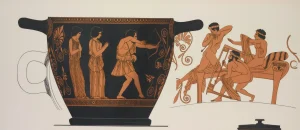
Historical & Mythological Background – The Journey of Odysseus
The Greek hero’s long journey home after the Trojan War is told in Homer’s Odyssey. This story shows courage and cleverness. It also celebrates the sea, exploration, and the human desire to discover what is beyond the horizon. Today, you can turn this ancient legend into your own once-in-a-lifetime voyage by following the Odysseus route, sailing through the Ionian and beyond.
What makes Odysseus’ route so appealing is how it blends myth with reality. Historians and archaeologists still discuss the exact geography of Odysseus’ travels. However, some real-world places match the legendary scenes. These places are Corfu, which is connected to Scheria. There are also the Aeolian Islands, thought to be the home of Aeolus, the wind god. Lastly, there is Ithaca, which is the homeland of Odysseus.
The Ionian Sea, in particular, provides a perfect base for much of the journey. Its calm weather, short sailing distances, and abundance of safe anchorages make it far more inviting than the challenging Aegean, especially for those who want to combine culture and comfort.
The story of Odysseus begins at the end of the Trojan War, a conflict that, according to legend, lasted ten years. While other Greek heroes returned home relatively quickly, Odysseus’ voyage back to his island kingdom of Ithaca turned into a 10-year odyssey filled with danger, temptation, and trials that tested his strength, intelligence, and willpower.
In Homer’s Odyssey, Odysseus is portrayed as a cunning strategist and skilled sailor, but also as a man deeply tied to his homeland. His journey took him through a series of encounters that have become part of Western cultural heritage, each stop offering a mix of peril, mystery, and lessons in resilience.
Key events in the mythical route include:
- The Land of the Cicones – After leaving Troy, Odysseus and his crew raid the city of Ismarus, only to be driven off by reinforcements.
- The Lotus-Eaters – On a mysterious island (often associated with Djerba, Tunisia), the crew tastes the lotus plant and nearly forgets their homeland.
- The Island of the Cyclops – Odysseus blinds the one-eyed giant Polyphemus to escape captivity.
- Aeolia – The home of Aeolus, god of the winds, who gifts Odysseus a bag of winds to help him sail home.
- The Laestrygonians – Giant cannibals who destroy most of Odysseus’ fleet.
- Circe’s Island – The enchantress who turns men into pigs and later becomes Odysseus’ ally.
- The Underworld – A haunting voyage to consult the prophet Tiresias.
- The Sirens – Dangerous singers whose voices lure sailors to their doom.
- Scylla and Charybdis – Two sea monsters that test Odysseus’ seamanship and courage.
- Calypso’s Island – Where the nymph detains Odysseus for seven years before letting him go.
- Scheria – The island of the Phaeacians, whose people finally help him reach Ithaca.
While the Odyssey is a work of literature, historians and archaeologists have long sought to map these events to real-world geography. Many scholars believe that large portions of the Odysseus route sail through the Ionian Sea, the Aegean, and parts of the central Mediterranean. Ithaca, the hero’s home, remains a tangible, visitable destination—lush, mountainous, and still steeped in the legends of its most famous king.
This mix of history and myth is exactly what makes the Odysseus route so captivating. Sailing it today isn’t about confirming every exact location, but rather about immersing yourself in the cultural and natural landscapes that inspired Homer’s masterpiece. Each port becomes a stage, each island a chapter in a journey that has inspired explorers for over two millennia.
A 7-Day Odysseus Route Sailing Itinerary in the Ionian Sea
Day 1 – Lefkada → Meganisi
- Sailing: Short hop (10 NM / ~2 hrs). Easy start, calm waters.
- Food & Wine: Dinner in a waterfront taverna in Spartochori, famous for meze and local wine. Learn more about Lefkada’s culinary traditions.
- Culture: Walk through the narrow alleys of Spartochori village with traditional stone houses. Read more about Lefkada’s cultural heritage, its museums, and archeology.
- Leisure: Swim and snorkel in secluded bays like Atherinos.
Day 2 – Meganisi → Atokos → Ithaca (Vathy)
- Sailing: 25 NM. Stop at Atokos’ Cliff Bay for a swim before heading to Vathy.
- Food & Wine: Fresh fish at a seaside taverna in Vathy. Find out what to eat on Meganisi.
- Culture: Visit the Archaeological Museum of Ithaca, home to artifacts linked with Odysseus. Read more about Meganisi’s cultural heritage, its museums, and archeology.
- Leisure: Sunset stroll along Vathy’s waterfront promenade.
Day 3 – Exploring Ithaca
- Sailing: Short distances around Ithaca. Anchor near Polis Bay or Gidaki Beach.
- Food & Wine: Try “tserepa,” a slow-cooked meat dish unique to Ithaca. Discover Ithaca’s unique culinary background.
- Culture: Hike to the School of Homer ruins and explore ancient mythological sites. Read more about Odysseus’ home, Ithaca’s cultural heritage, its museums, and archeology.
- Leisure: Kayaking or paddleboarding in turquoise waters.
Day 4 – Ithaca → Kefalonia (Fiskardo)
- Sailing: 20 NM to Fiskardo, a cosmopolitan Venetian-style harbor.
- Food & Wine: Enjoy Robola wine paired with Kefalonian meat pie.
- Culture: Explore Venetian mansions, Fiskardo’s Roman cemetery, and the traditional lighthouse.
- Leisure: Evening cocktails at Fiskardo’s waterfront cafes and bars.
Day 5 – Kefalonia (Assos & Foki Bay)
- Sailing: Cruise along dramatic coastlines, anchor at Foki Bay for swimming.
- Food & Wine: Seafood lunch in Assos village, famous for octopus dishes. Hungry while in Kefalonia? Find out what and where to eat!
- Culture: Visit Assos Castle for panoramic views of Kefalonia. Read more about what museums to explore in Kefalonia.
- Leisure: Quiet evening at anchor under the stars.
Day 6 – Kefalonia → Zakynthos (Navagio Beach & Town)
- Sailing: 35 NM. Stop at Navagio (Shipwreck Beach) for a swim, then sail to Zakynthos town.
- Food & Wine: Try fritoura (sweet fried dough with honey) and Zakynthian wine. Discover Zakynthos’ best culinary spots.
- Culture: Explore the Byzantine Museum and Solomos Square. Find out how to find them!
- Leisure: Nightlife in Zakynthos town with bars, live music, and dancing.
Day 7 – Zakynthos → Return via Ithaca or Lefkada
- Sailing: Begin the return leg (split into 2 days if preferred).
- Food & Wine: Farewell dinner with Ionian seafood specialties.
- Culture: Reflect on Odysseus’ homecoming with a symbolic ending at Ithaca.
- Leisure: Final swim stop before heading back to base.
Cultural & Local Experiences – Living the Odyssey Today
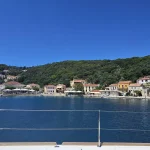
For sailors, each anchorage can become a doorway to the past. Drop anchor in Vathi, stroll to a museum with Mycenaean artifacts, or climb fortress walls overlooking the sea Odysseus once sailed. This is the charm of exploring the Ionian Islands’ archaeology and cultural heritage sites: it’s not only about where you sail, but also about the centuries you sail through.
> Read More: Museums and Myth of the Ionian Islands: Tracing Odysseus Through Archaeology
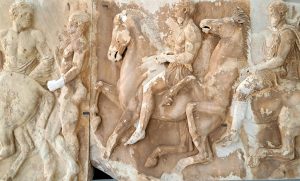
Following the Odysseus route, sailing isn’t just a geographical journey; it’s a cultural immersion into some of the Mediterranean’s most storied destinations.
Along the way, modern sailors can enjoy local traditions, taste centuries-old recipes, and join festivals that keep Homer’s spirit alive.
Discover the Ionian Islands’ traditional food and wine experiences, from rustic village tavernas to family-run vineyards. Think fresh-caught seafood, slow-cooked stews, robust wines, and sweets with Venetian flair. Just as Odysseus journeyed across these seas, today’s sailors can chart a culinary odyssey through flavors both timeless and unique.
> Read More: Culinary Traditions of the Odysseus’ route in the Ionian Islands
Ithaca – Homecoming and Heritage
Ithaca remains the symbolic heart of Odysseus’ story. The island celebrates its connection to the hero with museums, archaeological sites, and annual cultural events. In Vathy, the Archaeological Museum houses finds from the Mycenaean era, while nearby sites like the School of Homer give insight into the island’s mythological past. Local tavernas serve dishes made from fresh Ionian fish, wild herbs, and olives, flavors that may have graced Odysseus’ own table.
Kefalonia – Music, Wine, and Seafaring Tales
On Kefalonia, the culture blends Venetian influence with traditional Greek hospitality. Villages like Fiskardo host summer music nights where locals and sailors mingle under the stars. The island is famous for Robola wine, best enjoyed after a day of exploring coastal caves or anchoring in quiet bays. Stories of ancient mariners are still passed down, echoing the voyages described in the Odyssey.
Zakynthos – Island of Celebration
Zakynthos’ vibrant culture comes alive in its festivals. From Easter celebrations featuring firecrackers and music to summer dance events in the main square, there’s always something to join. The cuisine leans on sweet and savory combinations, with specialties like mandolato and pasteli reflecting the island’s rich culinary tradition. Many locals are happy to share tales of sea voyages and legends that resonate with Odysseus’ adventures.
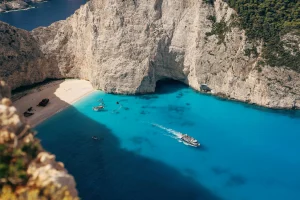
Corfu – Hospitality of the Phaeacians
Many scholars link Corfu (Kerkyra) with Scheria, the island where Odysseus found refuge before returning home. Today, Corfu still embodies a spirit of hospitality, with lively cultural life, Venetian architecture, and beautiful anchorages like Paleokastritsa. Its museums and festivals give a vivid sense of Ionian history and mythology.
> Browse our Catamarans in Corfu
Meganisi & Atokos – Secluded Ionian Gems
These smaller islands capture the essence of the Odyssey’s uncharted stops. Quiet coves like Papageorges Cove (Meganisi) or Cliff Bay (Atokos) provide perfect retreats for sailors in search of privacy and natural beauty. Visiting them feels like stepping back into the timeless seascapes that might have inspired Homer’s verses.
> Read more about Meganisi and other hidden anchorages in the Ionian
Festivals and Events Along the Route
Throughout the Ionian, host summer festivals, regattas, and cultural fairs. These are not just entertainment but a living link to the seafaring traditions that inspired Homer’s epic. Whether it’s a music night in Fiskardo, a food festival in Zakynthos, or a regatta in Corfu, joining in offers a rare chance to experience community life as Odysseus might have, with music, dancing, feasting, and storytelling.
Practical Sailing Tips – Navigating the Odysseus Route Today
Embarking on the Odysseus route sailing is more than retracing a myth; it’s also a real-world sailing adventure that requires careful planning. To fully enjoy the experience, you’ll need to account for seasonal weather, ideal starting points, marina facilities, and navigational considerations along the way.
Best Time of Year to Sail
For most sailors, the sweet spot for tackling the Odysseus route is late spring (May–June) and early autumn (September–October). During these months, the Ionian offers pleasant temperatures, gentle afternoon breezes, and fewer crowds at ports. These shoulder seasons are especially rewarding for those who want to enjoy quiet anchorages and smooth sailing without the summer rush.
> Read More: A Guide to Ionian Winds: What to Expect and When
Understanding the Weather
The Ionian Sea, home to Ithaca, Kefalonia, and Zakynthos, is known for its mild and predictable sailing conditions, ideal for beginner or family crews. In contrast, sailing in the Aegean can be more challenging due to the strong Meltemi winds that blow during July and August, often reaching Force 5–7. If you prefer relaxed cruising, the Ionian is the safer and more enjoyable choice. Always check local forecasts, and be prepared to adjust your itinerary for comfort and safety.
> Read More: Why the Ionian Islands Are Perfect for First-Time Sailing Holidays in Greece
Best Starting Points for the Odysseus Sailing Route
- Corfu or Lefkada (Ionian Sea): Perfect for exploring Odysseus’ home waters first, with short, sheltered hops between islands.
- Athens (Aegean Sea): Allows for a journey that also touches the Cyclades or Dodecanese if you want to combine Ionian sailing with other interpretations of the Odyssey.
Marina and Anchorage Options
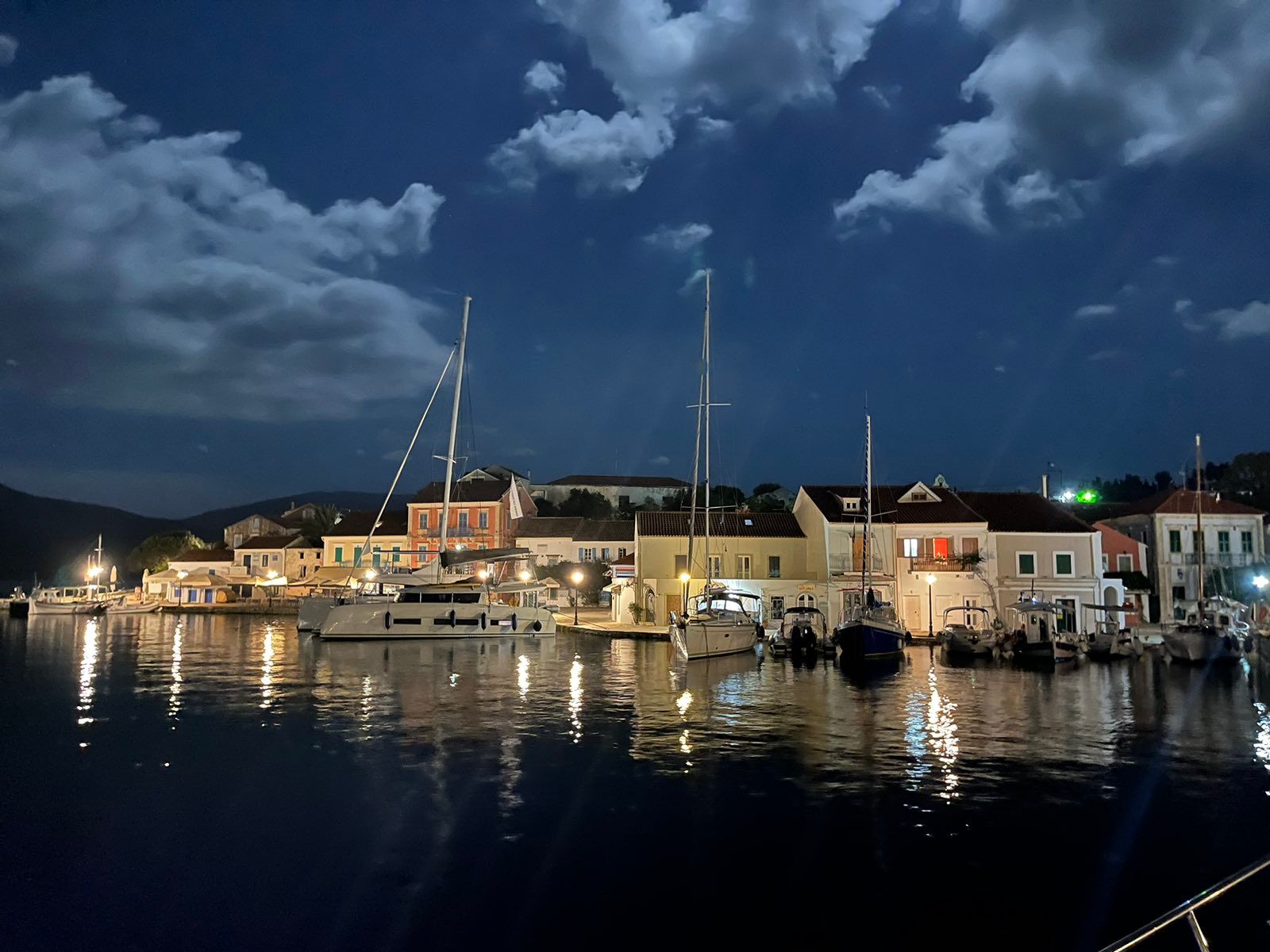
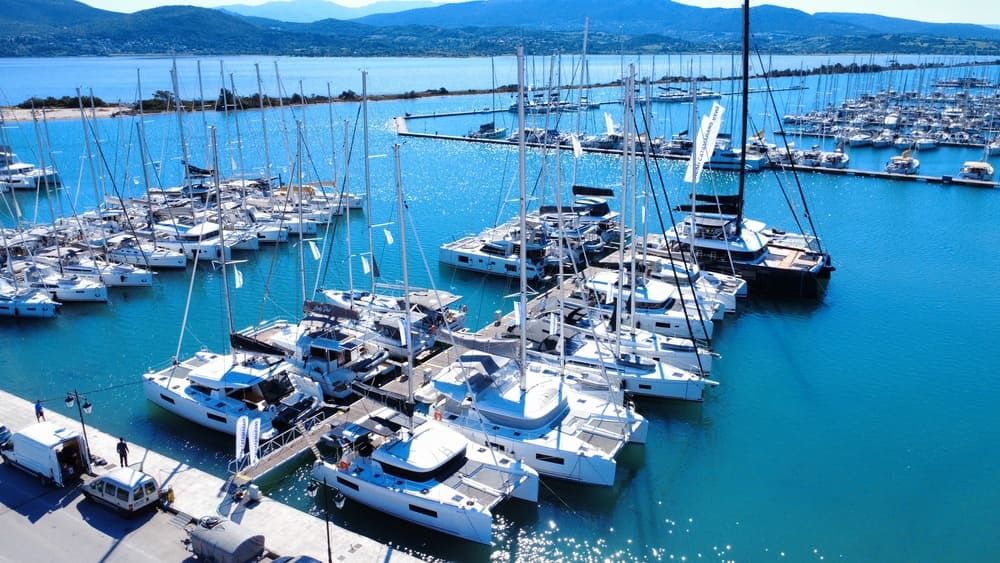
The Ionian boasts great sailing infrastructure in Greece, with well-equipped marinas such as Gouvia Marina (Corfu) and Lefkas Marina, plus countless sheltered anchorages like Vathy (Ithaca), Fiskardo (Kefalonia), and Gaios (Paxos). These ports provide fuel stations, provisioning stores, and excellent tavernas by the water. In high season, booking berths ahead is wise, especially in popular tourist harbors.
> Read More: Hidden Anchorages in the Ionian Sea
Navigation and Safety
The Odysseus route sailing is suitable for most skill levels in the Ionian thanks to shorter distances and calmer waters. If venturing east into the Aegean, more experience may be required due to stronger winds and more exposed passages. Carry updated charts and consider GPS-enabled sailing apps for tracking your modern route alongside Homer’s mythological one.
> The Ionian Sea is indeed perfect for first-time sailors
Provisioning and Local Support
Some of the most rewarding parts of this journey are in remote Ionian bays where shops and services are minimal. Stock up on essentials, water, fresh produce, and fuel before leaving major marinas. Local charter companies can also provide itinerary advice, insider tips on lesser-known anchorages, and weather updates tailored to your sailing plan.
Interactive Map – Tracing the Odysseus Route in the Modern Mediterranean
Visualizing your Odysseus route sailing journey makes it easier to connect the myths of Homer’s Odyssey with the real-world sailing adventure you’re about to undertake. An interactive map allows you to see where legend meets reality — from Odysseus’ fabled home in Ithaca to the surrounding Ionian islands that inspired much of the epic.
Mapping Myth to Modern Destinations
While historians debate the exact geography of Odysseus’ wanderings, many of the most compelling locations are right here in Greece:
- Lotus Eaters → Zakynthos, Greece (interpretation)
Some scholars link the lush, fertile landscapes of Zakynthos with the land of the Lotus Eaters, where sailors were tempted to forget home. - Cyclops’ Island → Ithaca & Kefalonia Waters
The caves and dramatic cliffs of western Kefalonia and southern Ithaca recall Homer’s descriptions of Polyphemus and the Cyclops myth. - Aeolus, God of the Winds → Lefkada & surrounding Ionian islands
Known for favorable breezes and strong sailing traditions, this area is often associated with Aeolus’ gift of the winds. - Underworld → Gulf of Acheron, Epirus, Greece
The Acheron River, long believed in ancient times to be one of the entrances to Hades. - Sirens → Southern Ithaca Waters
The narrow channels south of Ithaca are linked to the Sirens, whose songs lured sailors to their doom. - Scylla & Charybdis → Strait near Kefalonia & Ithaca (local interpretation)
Treacherous currents and rocky outcrops between these islands echo Homer’s imagery of navigating between two sea monsters. - Return to Ithaca → Vathy, Ithaca, Greece
The hero’s final homecoming port, today a peaceful, sheltered harbor perfect for anchoring and exploring the island.
Sailing Distances & Times (Approx.)
- Corfu → Lefkada: ~70 NM / 2 days sailing (with stops)
- Lefkada → Kefalonia: ~35 NM / 1 day sailing
- Kefalonia → Ithaca: ~15 NM / half a day sailing
- Ithaca → Zakynthos: ~25 NM / 1 day sailing
- Zakynthos → Acheron River (Epirus coast): ~60 NM / 1–2 days sailing
- Return to Ithaca via Sirens’ Channel: ~40 NM / 1 day sailing
These times are based on calm Ionian conditions and cruising speeds of 5–7 knots. Actual durations will vary depending on weather, vessel type, and crew experience.
The Nature and Seascape of Odysseus’ Route
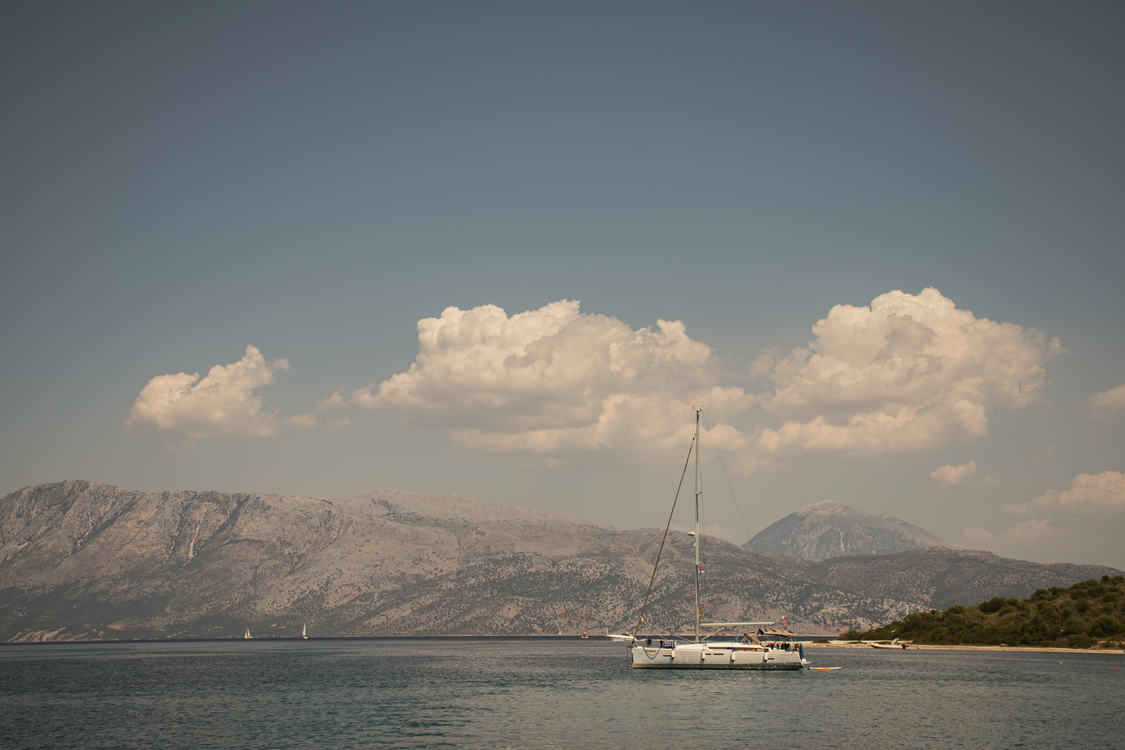
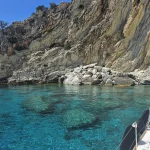
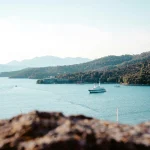
The Ionian archipelago lies off Greece’s western coast, a chain of emerald islands surrounded by calm, crystalline waters. Unlike the rugged Aegean, the Ionian offers a gentler face of Greece—lush landscapes, protected bays, and smooth sailing conditions ideal for catamaran charters.
> Read More: Discover the Nature and Seascape of Odysseus’ Route With a Catamaran Charter
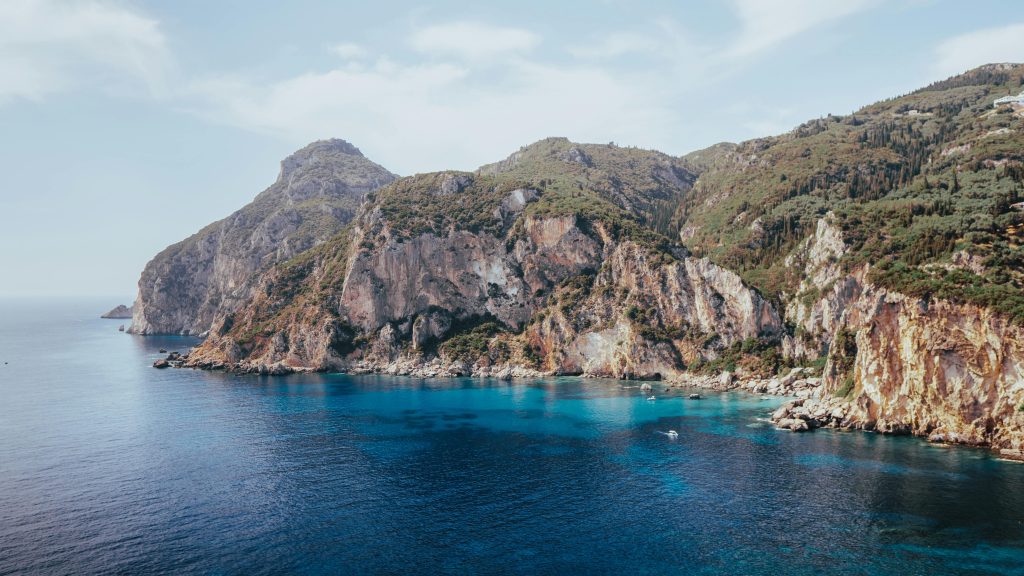
Final Thoughts – Sailing the Route of Odysseus
Sailing the Odysseus route is more than just a holiday; it’s a rare opportunity to blend myth, history, and the beauty of the Mediterranean into one unforgettable journey. Whether you’re tracing his path through the Ionian’s calm, emerald waters or venturing further to the volcanic Aeolian Islands and beyond, each stop offers a connection to one of the greatest adventure stories ever told.
Unlike the ancient hero, you won’t need a decade to complete your voyage, but you can still immerse yourself in the same landscapes, experience the same seas, and feel the same sense of discovery. From the tranquil bays of Ithaca to the dramatic cliffs of Sicily, this journey invites you to live the Odyssey in your own way.
With today’s modern yachts, reliable navigation, and well-developed marinas, the challenges Odysseus faced are replaced by the comforts of a well-planned charter. All that’s left is to choose your vessel, chart your course, and set sail into history.
The Ionian is ready to welcome you. Calm seas, storied shores, and timeless adventures await. Are you ready to write your own epic?