Between November and April, the Ionian turns from a summer sailing destination into green hillsides, flowing waterfalls, wintering birds and spring wildflowers. Autumn and winter rain refill streams and olive groves, orchids appear from February, and by April the first charter yachts are back in the water. The sea is quiet. The islands, quite clearly, are not.
What Is the Ionian Like Outside the Sailing Season?
- November to January: rainfall, olive harvest and lush countryside.
- February to March: flowing waterfalls, active wetlands and the first orchids.
- March to April: wider blooms and the gradual return of sailing.
> Read More: Combine Catamaran Sailing and Autumn Outdoor Sports in the Ionian
Why the Ionian Turns Green in Winter
The Ionian sits on the wetter western side of Greece. Autumn and winter rain feeds its olive groves, forests and seasonal waterways, while the Pindus Mountains help create a clear contrast between the wetter west and the drier east. The result is a landscape that looks nothing like the sun-bleached postcard version. It is greener, softer and, for a few months, entirely free of sunbed queues.
Corfu Rainfall in Numbers
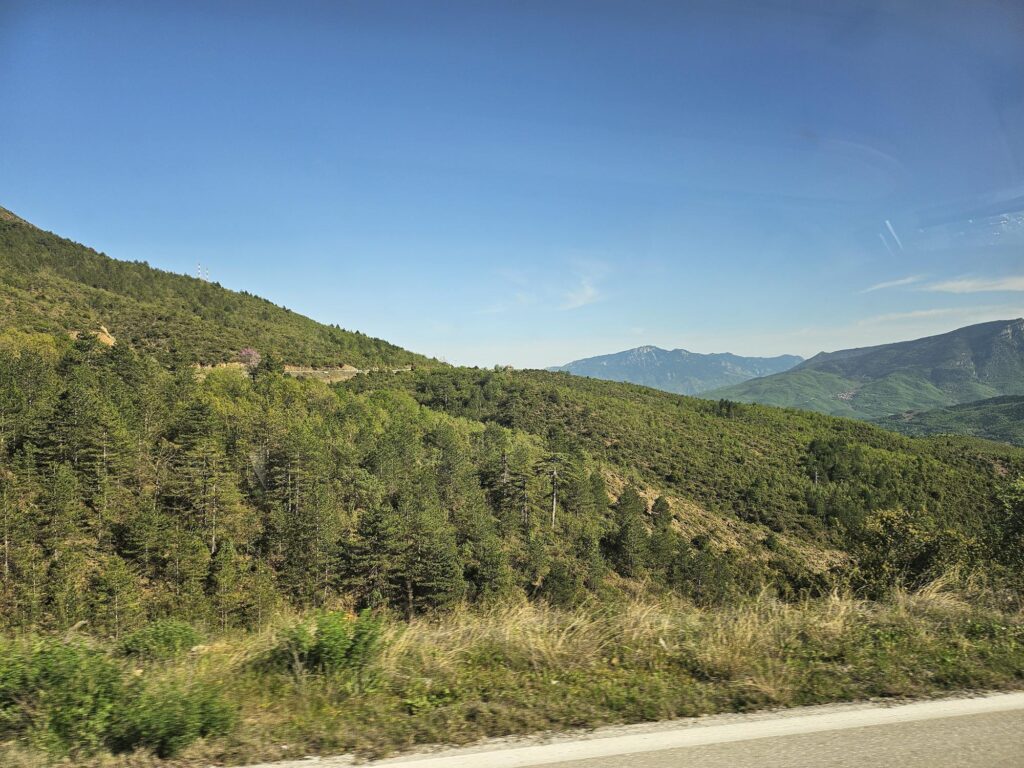
Published 1990–2020 averages for Corfu Town show about 1,254 mm of annual precipitation, including roughly 225 mm in November but only 12 mm in July. These are historical climate averages, not current-year measurements. As the rain returns, vegetation recovers, and temporary streams begin to flow. It is, in effect, the island’s annual reset.
Winter Light, Cloud and Coastal Water Colour
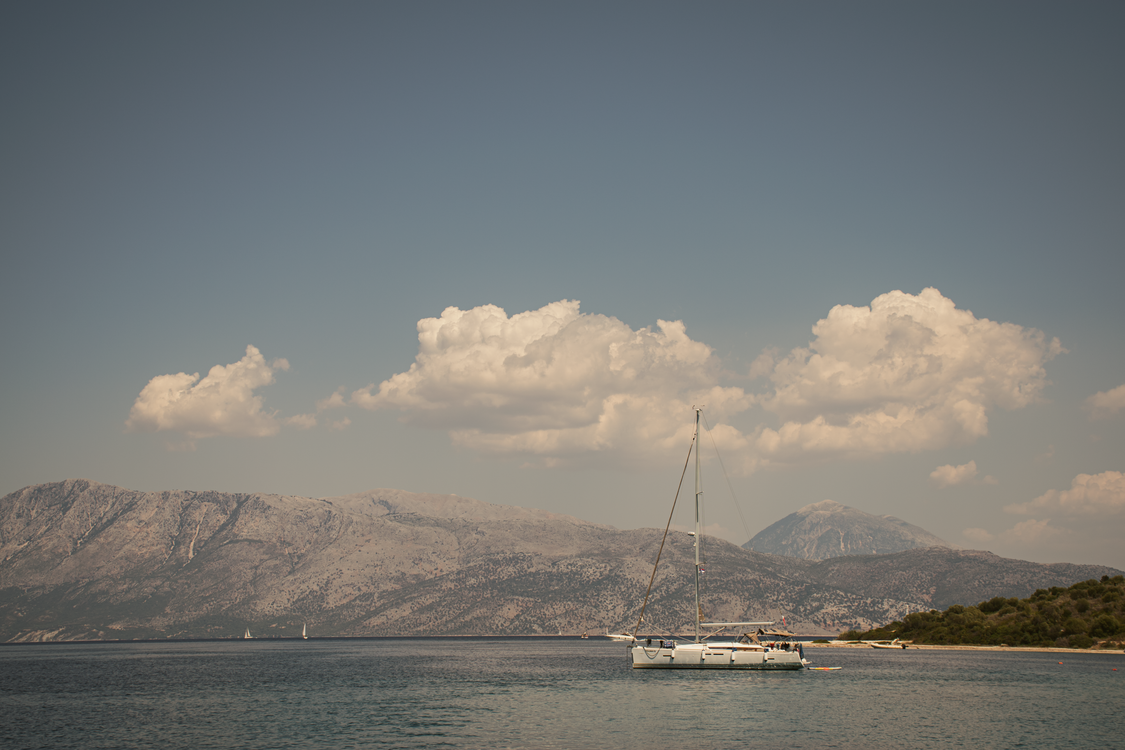
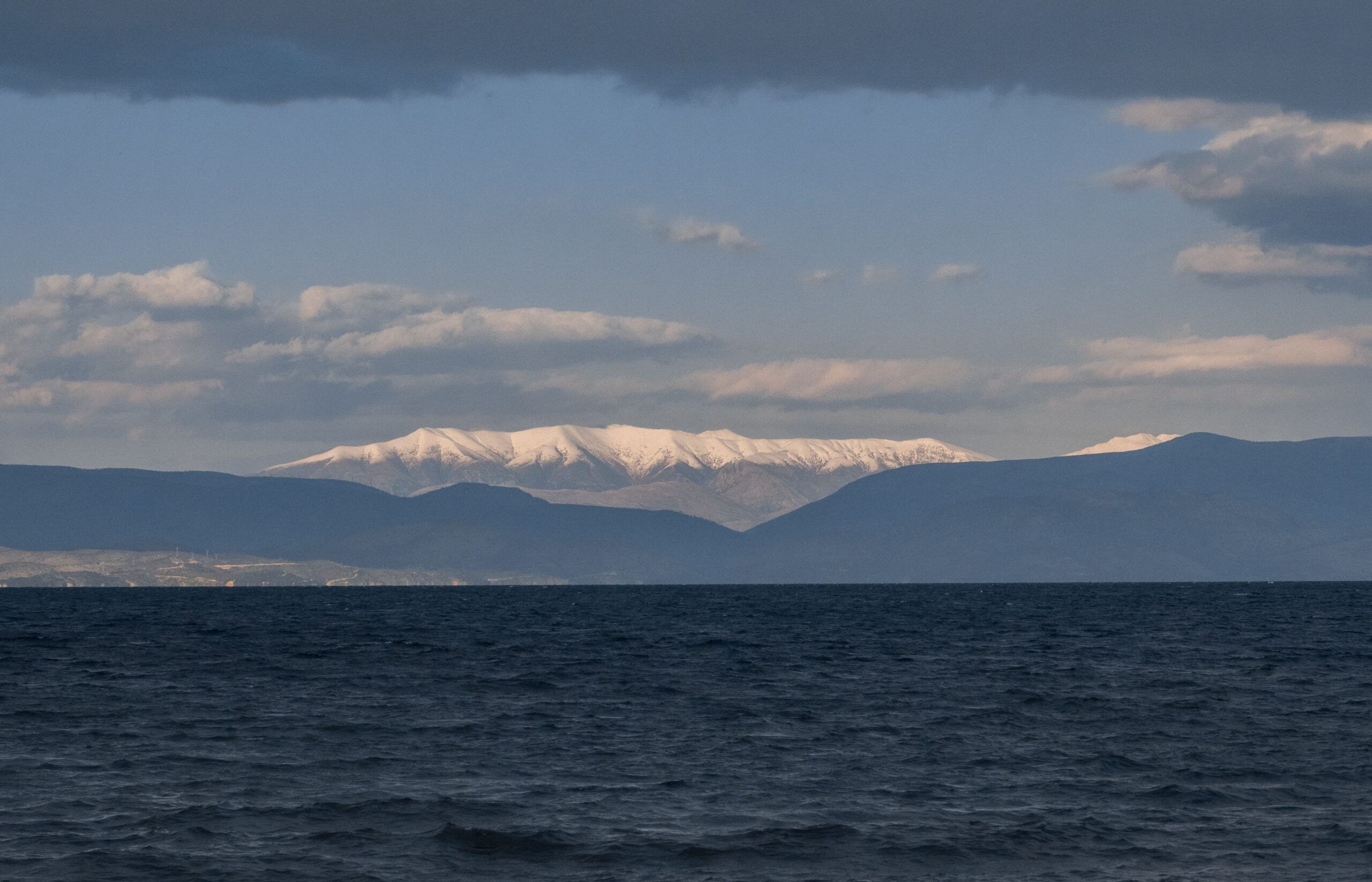
Winter brings shifting cloud, low sunlight and livelier seas. High mainland mountains visible from parts of the Ionian can carry snow, though neither snow cover nor visibility is guaranteed. Waves and runoff may stir sediment and temporarily change the colour of coastal water. Colour does not necessarily indicate clarity, and there is no fixed timetable for the sea to clear after a storm. It clears when it is ready.
When Does the Ionian Sailing Season Begin?
The broader sailing season generally runs from April to October, with more consistently settled conditions usually between May and September. November to March sits outside the main charter season: daylight is shorter, weather can be unsettled, and some tourism services run reduced schedules.
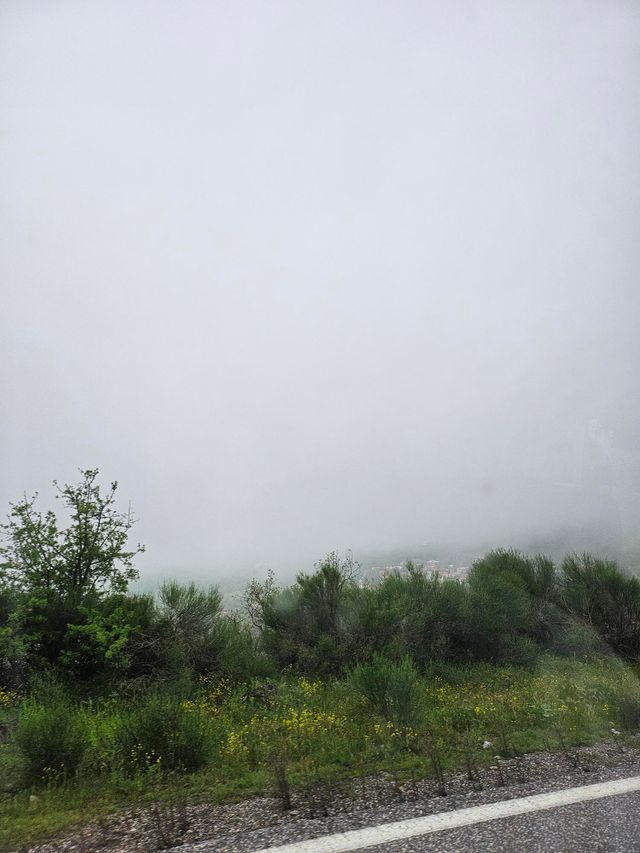
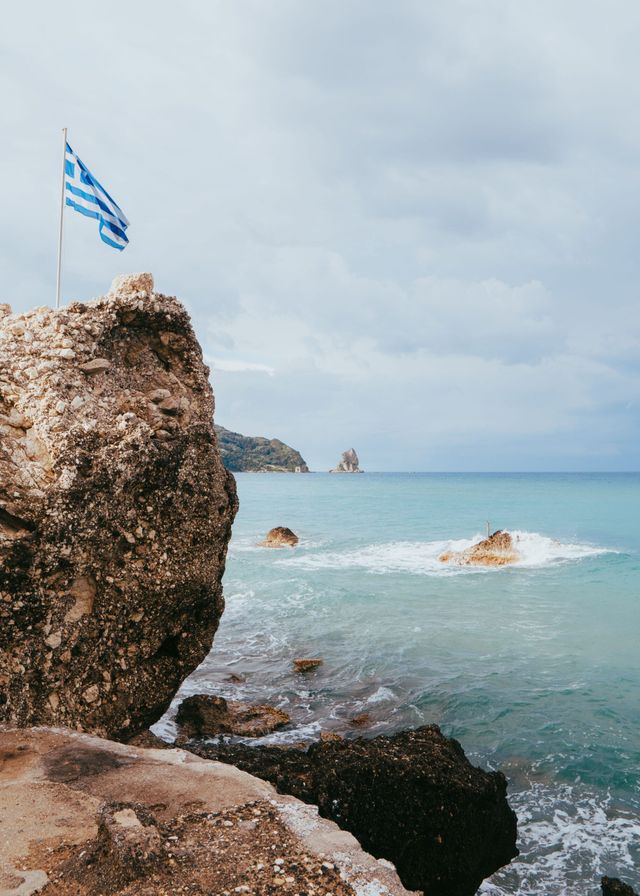
April can offer green scenery and spring flowers alongside the first charter departures, but plan for rain, variable winds and cooler water. Confirm yacht availability, facilities and departure dates before you commit.
> For seasonal guidance, see our Ultimate Guide to Ionian Sailing Weather
Lefkada’s Dimosari Waterfalls at Their Best
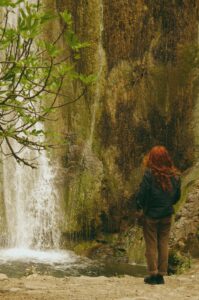
The Dimosari (or Nidri) Waterfalls, inland from Nidri near Rachi, respond directly to rainfall. Late winter and spring after wet periods can be particularly rewarding, while flow may fall substantially in dry summers. The approach includes uneven rock and steps, and rockfall hazards have been reported. Check local access conditions and avoid the gorge during heavy rain. A waterfall is a poor reason to test your luck.
Mount Ainos, Kefalonia: Fir Forests and Winter Snow
Mount Ainos reaches approximately 1,628 metres, the highest mountain in the Ionian Islands. Its national park, established in 1962, protects forests of Greek fir (Abies cephalonica), a species endemic to Greece. Snow is possible at higher elevations, so check trail and road conditions before you go.
Wild Horses on Mount Ainos
Semi-wild horses inhabit parts of the mountain, particularly the southern and southeastern slopes. Sightings are never guaranteed, and the horses have not read this article. Observe from a distance and do not disturb the animals.
Winter Birdlife in the Ionian
Ionian lagoons and neighbouring mainland wetlands support resident, wintering and migratory birds. The appeal is ecological rather than a promise of particular sightings.
Korission Lagoon, Corfu
This protected wetland combines lagoon, dunes and coastal vegetation. Cormorants, herons, egrets and ducks may be seen in winter. Flamingos have been recorded, especially around migration periods, but should not be expected on every visit.
Lefkada’s Lagoons
The Divari (Ivaria) lagoons near Lefkada Town can attract coots, mallards, cormorants and little egrets. Swans are occasional visitors in severe winters, not a reliable attraction.
Amvrakikos Gulf
Strictly speaking, on the mainland rather than an island, Amvrakikos is a major wetland complex with around 20 lagoons, more than 7,000 hectares of lagoon habitat and over 300 recorded bird species. Dalmatian pelicans are resident, and eagles, owls, and smaller birds visit in winter. Winter and spring can be excellent for birdwatching.
Corfu’s Olive Groves and Citrus Orchards in Winter
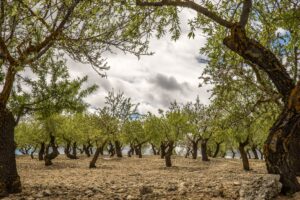
Corfu’s farmland stays busy after the visitors leave. Olive cultivation expanded under Venetian rule, with a documented planting incentive in 1623, building on an older tradition rather than introducing olives to the island. Some trees are centuries old, and traditional olive collection can run from late October into early spring, depending on producer and method.
Kumquat Season: January
Local producer Lazaris identifies January as a kumquat ripening and harvest period. Kumquats appear in Corfu liqueurs, candied fruit and marmalade. Harvest times vary, and farms should not be assumed open for tours.
When Do Spring Flowers Bloom in the Ionian?
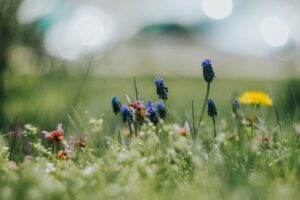
Spring flowering arrives in waves, shaped by rainfall, temperature, elevation and habitat. Corfu’s earliest orchids may appear from mid-February, with wider wildflower displays mainly from March into early June. March and April are especially interesting, though no single month guarantees every species.
For spring in Corfu, our guide to Easter holidays in Corfu Town covers the island’s most atmospheric week, when the processions, brass bands and spring blooms arrive just as the first charter yachts return to the water.
Lefkada’s Spring Wildflowers
Lefkada’s rural areas can feature wild geraniums, daisies, borage, gladioli, blue irises and orchids. Judas trees between Drymonas and Chortata may show pink flowers in April before their leaves appear, which is a confident way to make an entrance. Chamomile becomes more noticeable later in spring.
> Read More: Discover the Nature and Seascape of Odysseus’ Route
Can I See Dolphins and Monk Seals in the Off-Season in the Ionian?
Dolphins and Mediterranean monk seals occur in Ionian waters, but there is no reliable basis for claiming that winter or spring brings more sightings. The Ionian Dolphin Project has studied regional marine mammals since 1991.
Observing Marine Wildlife Responsibly
The project recommends keeping approximately 100 metres from dolphins and other cetaceans and 30 metres from monk seals. These are project guidelines, not universal legal limits. Never feed, touch or swim with marine mammals, and avoid approaching seal resting caves.
Coastline Changes Outside Summer
Waves, rain and erosion affect cliffs, beaches and access paths. Lefkada’s western coast, including Egremni, has seen reported rain-related damage and rockfalls, and accounts of access have conflicted. Cape Drastis near Peroulades and the formations around Sidari on Corfu also call for attention to local track and property restrictions. Verify current access with local authorities rather than relying on an old guidebook.
What Happens to Charter Catamarans During Winter?
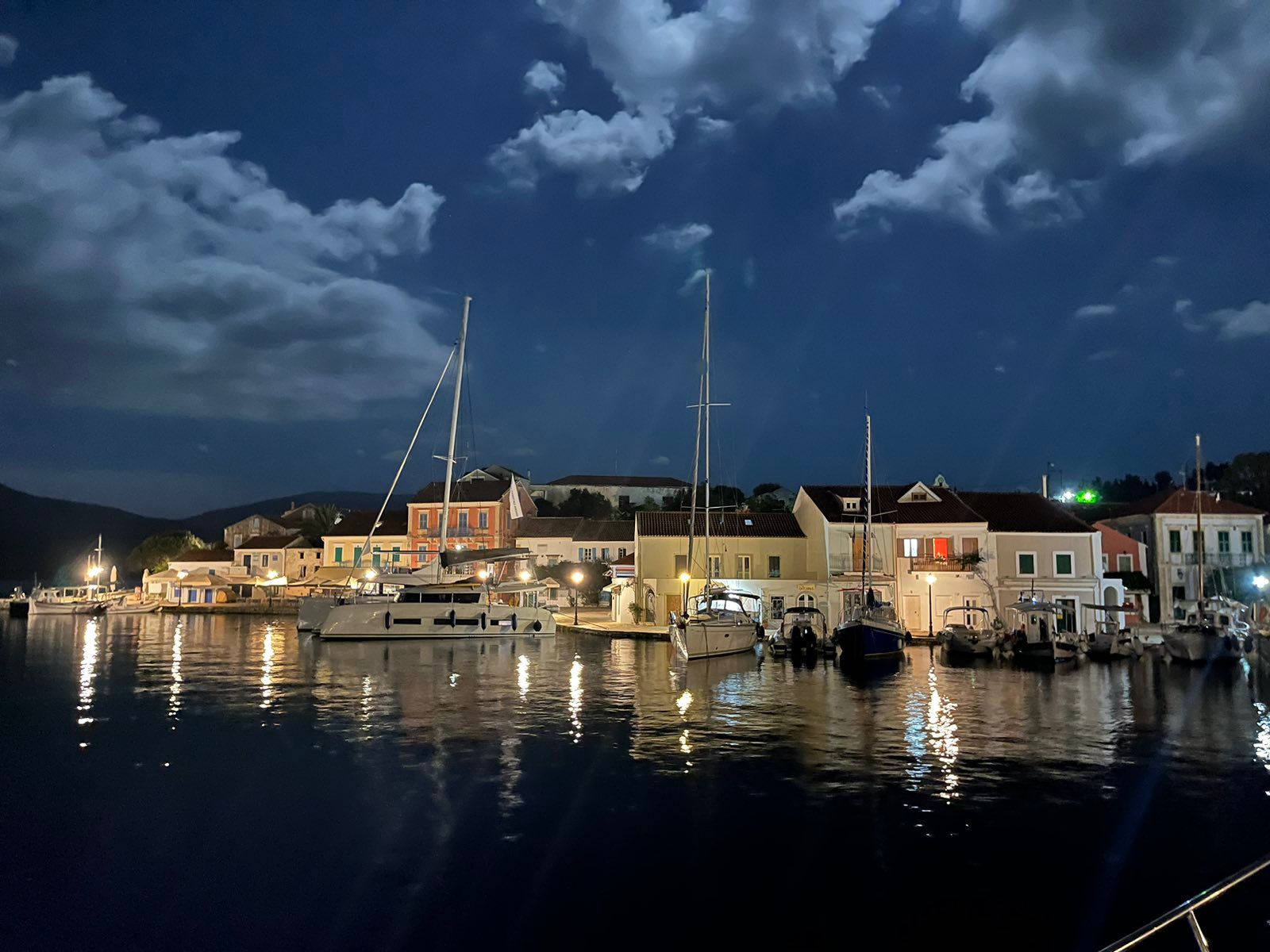
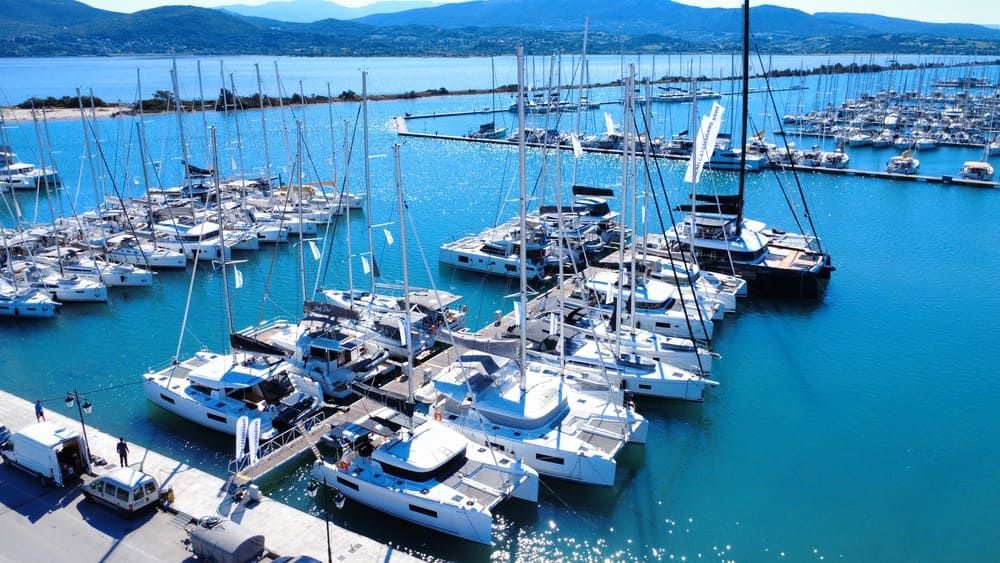
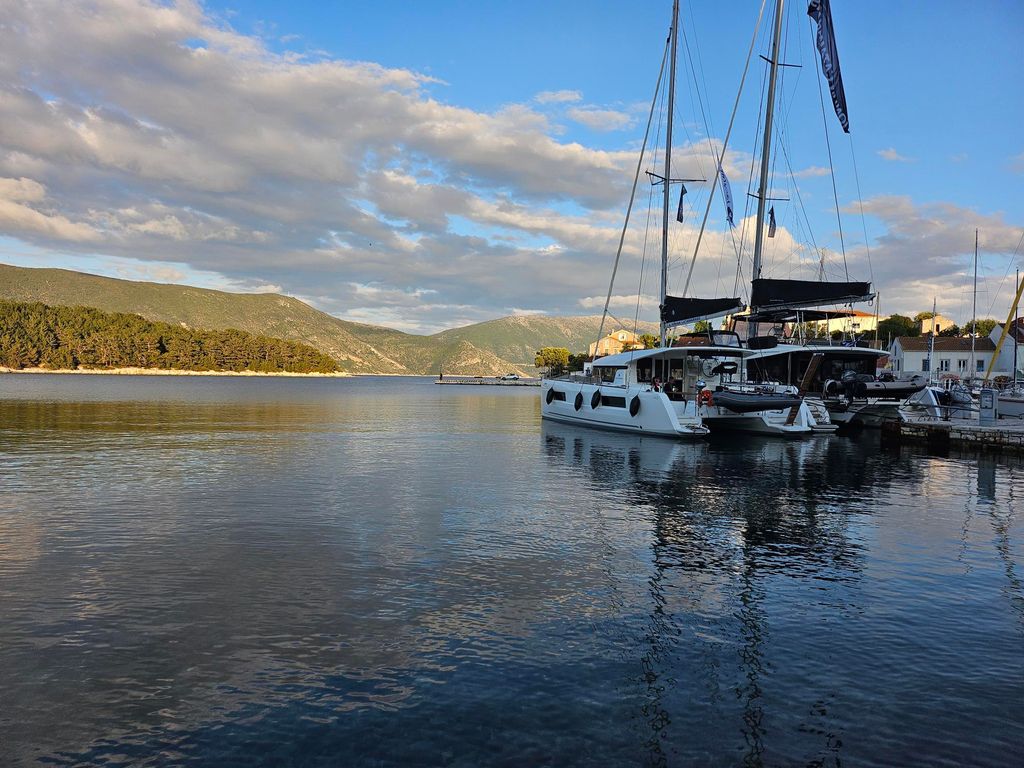
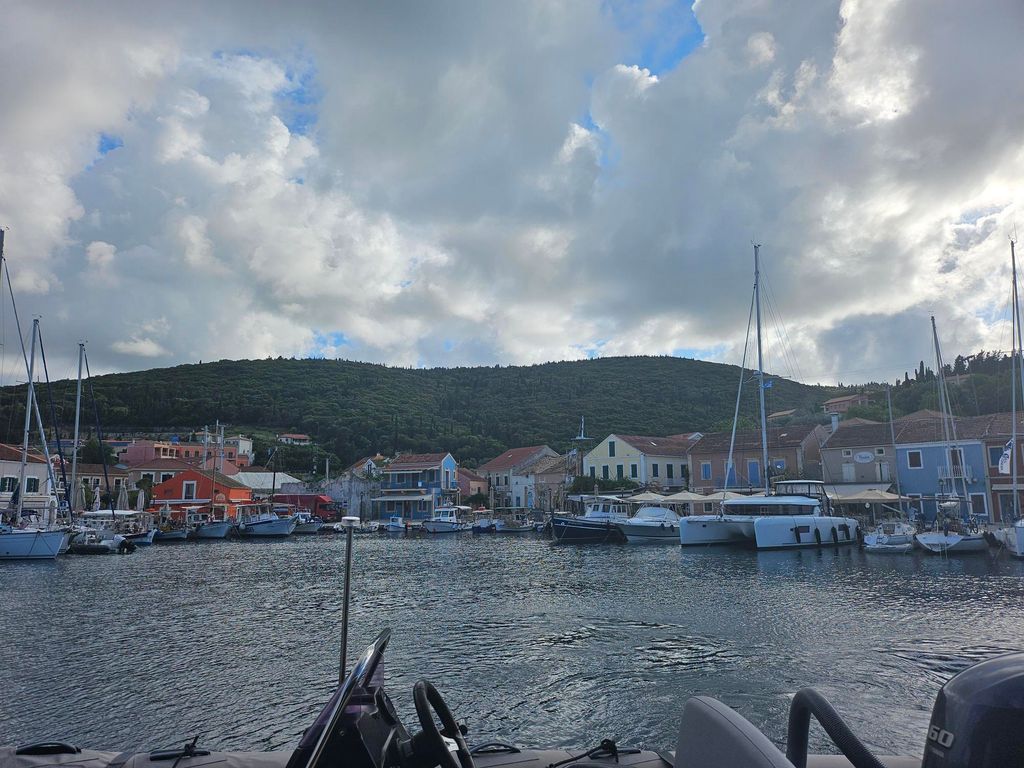
Quiet marinas do not mean the work has stopped. Operators may keep yachts afloat or lift them ashore for inspections, servicing, and repairs. Typical tasks include hull cleaning, antifouling when needed, engine and propulsion checks, sail and canvas care, rigging inspection, battery management, ventilation, and interior cleaning. Nobody is napping.
Preparing Yachts for Spring
As departure dates approach, operators complete engineering and safety checks, refit equipment and prepare interiors. Launching a yacht is not the same as it being ready for guests. Procedures differ by operator and vessel; these are general maintenance practices rather than a checklist for any single yacht.
> Read about how Ionian Catamarans run charter operations for +25 years
Early Bird 2027: Book Now, Sail Later
The best Ionian weeks tend to go first, usually to people who planned while everyone else was still looking at their summer photos. Our Early Bird offer for the 2027 season rewards that foresight: 10% off your charter, plus an additional 5% for bookings made by 31 January 2027.
> Choose your yacht, pick your dates, and secure your 2027 Ionian holiday: ioniancatamarans.com
Final Thoughts
The Ionian off-season is not merely a quieter summer. Rain revives the landscape, waterfalls and wetlands wake up, and spring flowers appear just as the sailing industry readies its first departures. These are the islands your future guests will later explore from the water, at their best and slightly less crowded.
FAQ: The Ionian Off-Season
Is the Ionian worth visiting in winter?
Yes, for green scenery, wetlands, waterfalls, and local life, provided you allow for unsettled weather and reduced services.
When is the best time to see wildflowers in the Ionian?
March, April, May, and June are especially rewarding. Some orchids begin in February, and other flowers continue into May or June.
Can you sail in the Ionian in April?
Yes, as an early-season transition. Check actual charter availability and prepare for more variable weather than in summer.
Are the Nidri Waterfalls flowing in April?
They can be after sufficient rain, but water levels and safe access vary.
Can you see flamingos in Corfu in winter?
They have been recorded at Korission Lagoon, but sightings are not guaranteed.
What do charter companies do in winter and during off-season?
They typically use the quieter months for servicing, inspections, cleaning, repairs, and preparation for the next sailing season.
When should I book a 2027 Ionian charter?
Early. Preferred yachts and peak weeks are the first to go, and early booking gives you the widest choice